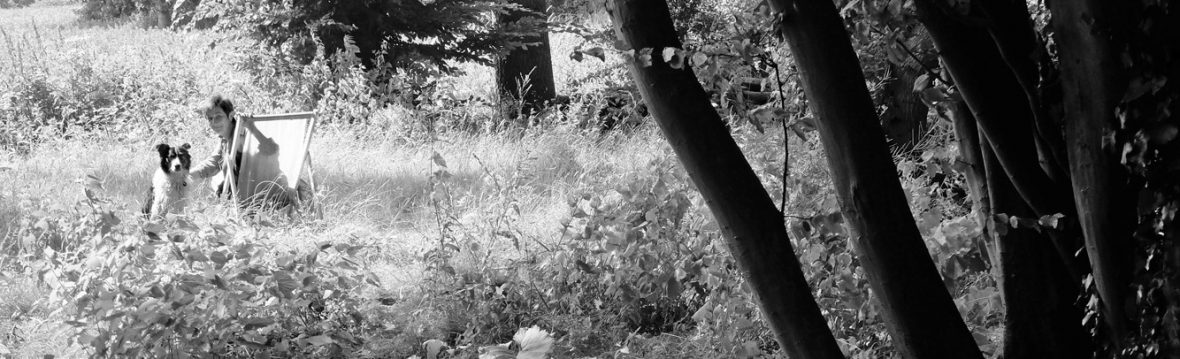
Why
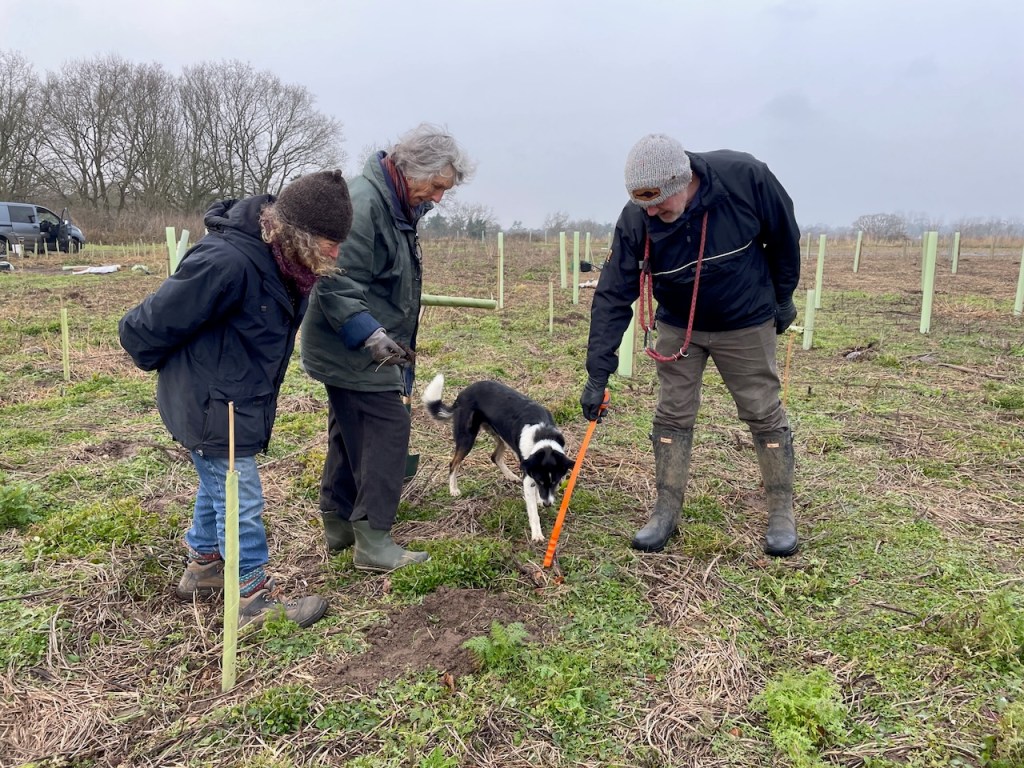
Biodiversity
Bringing different growing systems structures and plants to the 17 acres of land. While 14 acres are mainly woodland, these 3 acres are mixed woodland, alleys of agroforest, and community garden.
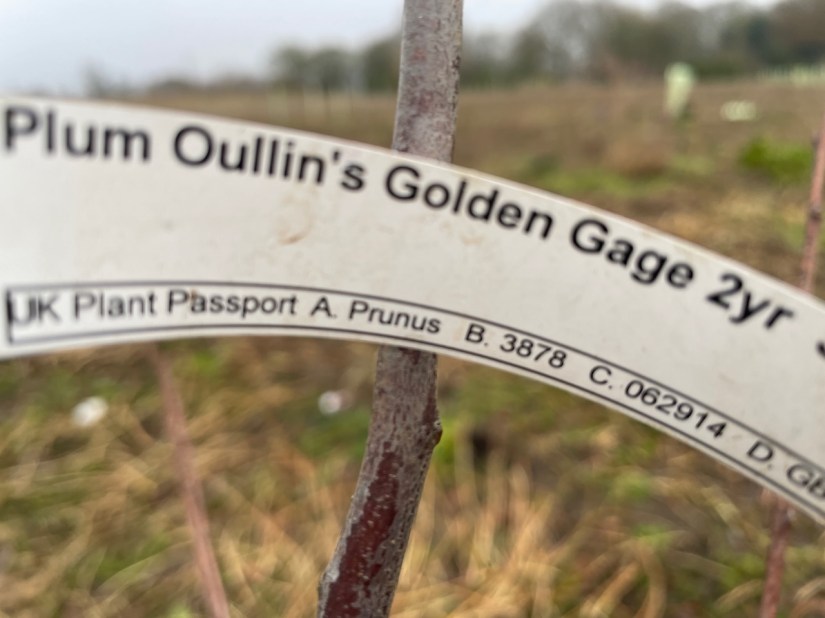
Forest Garden
This is an adventure for us all. A a food-growing system designed to imitate the structure and relationships of a natural woodland. Instead of growing one crop in rows, here we combine trees, shrubs, herbs, climbers and ground-cover plants so they occupy different layers and support one another. Short video from Martin Crawford describing the principles of Forest Garden (2010) There are typically 7 layers. The forest garden leads out from community garden into the Alleys.
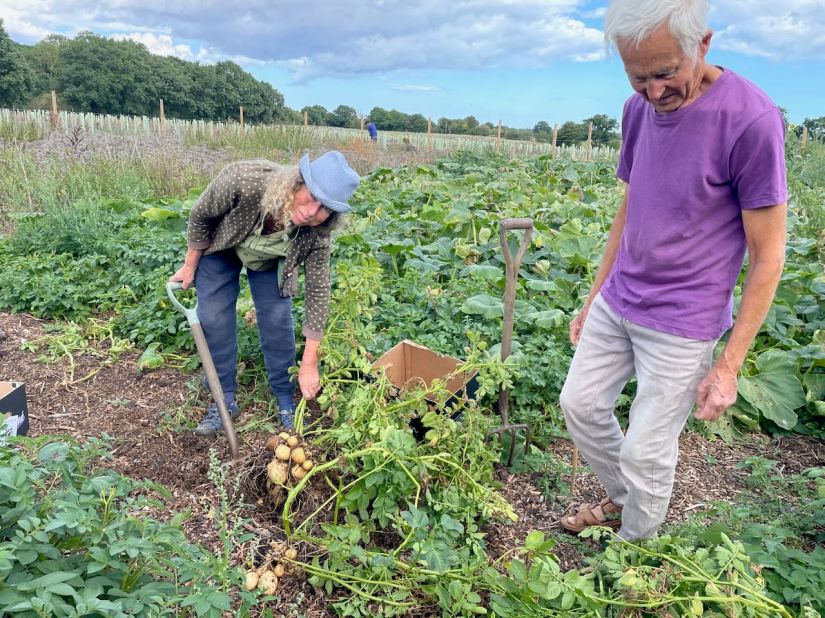
Food for Kinda and community
Growing food for forest school children. To embed children in the land, the seasons, the soil. From soil to fork.
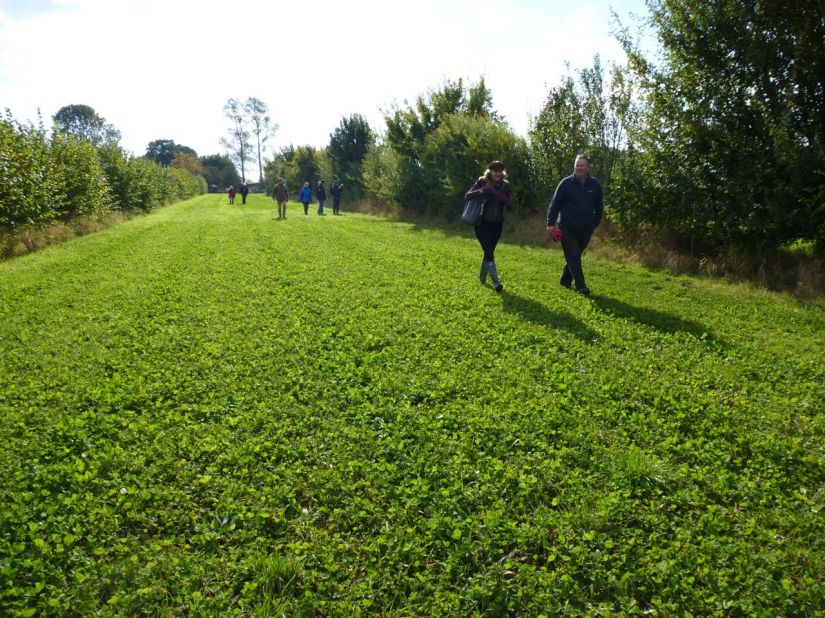
Agroforestry
Inspired by Wakelyns Agroforestry Otherwise known as Silvorable, where trees are grown alongside arable crops. For example north south rows of hazel for coppice, Walnut, alder as trees and crops in between of hemp, squash.
A way of growing useful crop.
Who
Kinda Education CIC
Rachel’s Land
Marion Gaze
In honor and memory of Jen Berry who was a peace campaigner and chaired Waveney Greenpeace which organised the Waveney Greenpeace Fair, a major Greenpeace fundraiser for 25 years. She campaigned against nuclear and in her later years she was known throughout Halesworth town as the town litter picker (who longed for snow). Although we said we’d like to plant an orchard for her, I think she and Will (her husband and visionary basket maker) would like this interpretation, this beautiful space, this forest garden.
I did an inspiring forest garden course years ago and have wanted to be involved in creating one ever since.
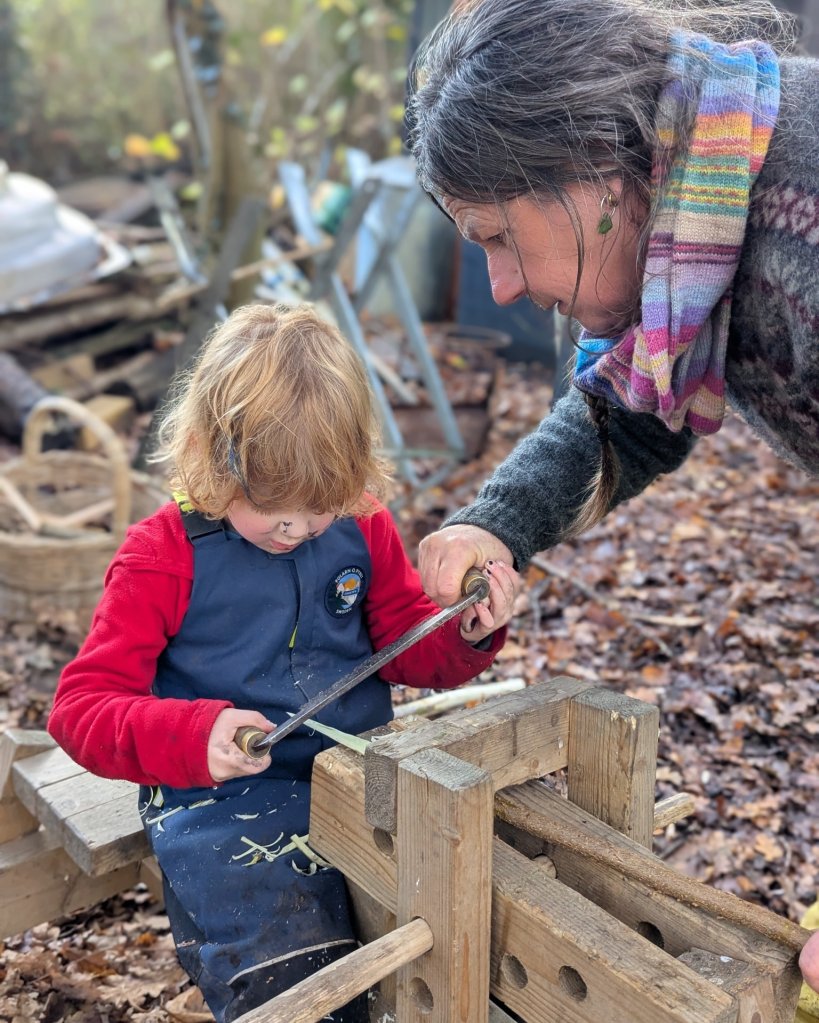
Louise Wright
A bit about Louise Wright
PIPPA
About the same time as Marion was pioneering organic growing here in East Anglia, my mother and father were doing the same in Canada. After a conventional working life in the UK they emigrated, bought a x acre small holding and became farmers. They became known as the pioneers of salad in bags – unheard of in the shops then – which they grew, baged and supplied to restaurants. Blueberries are what has survived on the farm they started, and they grow on the land to this day, so blueberries are what I am keen to grow them on the land here!
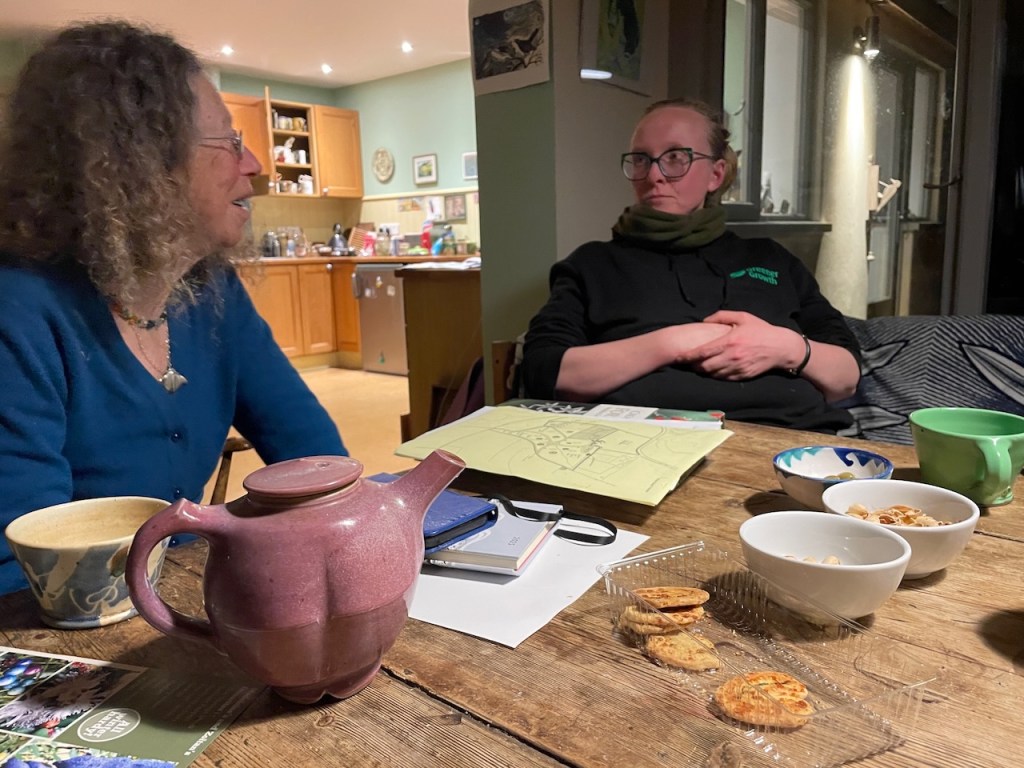
Jannine Parry
As a resource for forest school children and educational resource for all local children, to embed them in the land, the seasons, the soil.
I also like the idea of combining all three parts together: the agroforestry, the forest garden and the community garden.
My particular interest is in healing plants.
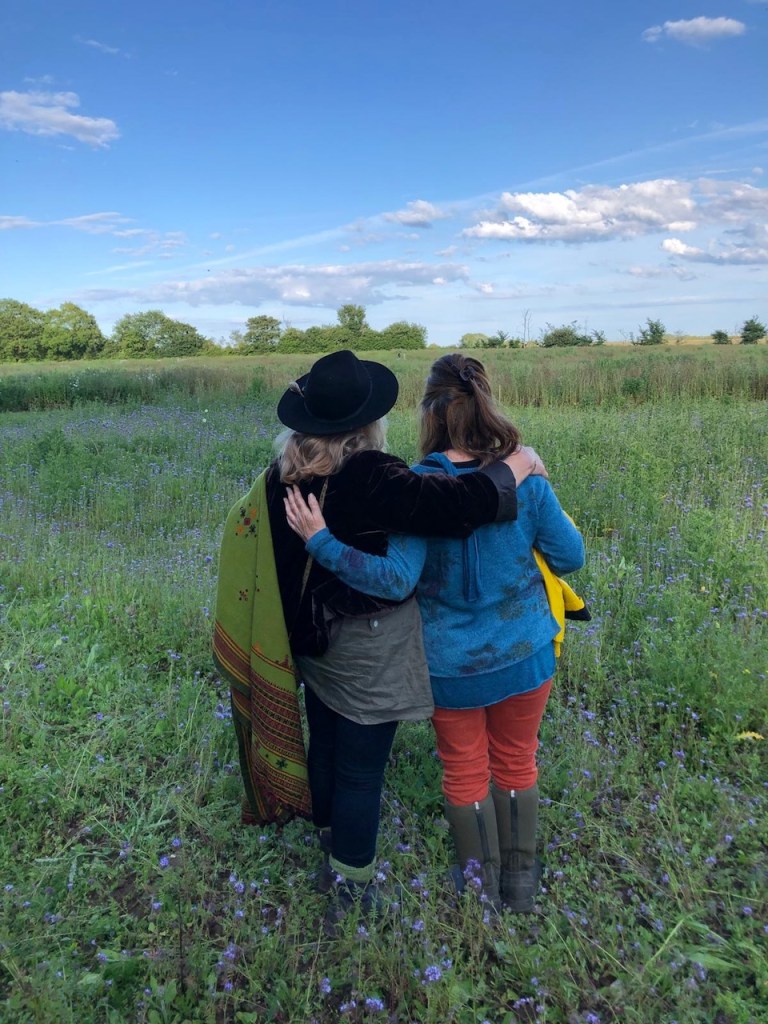
Rachel Kellett
I first saw a forest garden around 30 years ago at Tim Smit’s The Lost Gardens of Heligan. I’d never seen anything like it.
Years later, Wakelyns (and in particular Martin and Ann Wolfe), became one of the 4 corners that underpined my decision to buy both the wood (10 years ago) and the land (2 years ago). Creation of alleys, with hazel coppice was a natural to emulate. I saw how successful this micro-climate it was at Wakelyns.
I have engaged with community through my life. As well as to feed Kinda Forest food growing family (todate 40 facilitators and over 100 children/adults) Holton has no alotment to offer the community to grow food. The land was designed so that the Forest Garden linked between the community garden and the alleys, taking up as much land as it needed. I too like the symbiosis of the three semi natural structures.
I am not a grower, so am dependent on Marion Jannine and Louise for their good years of earth experience of growing.
How and what
How will it be created and with what
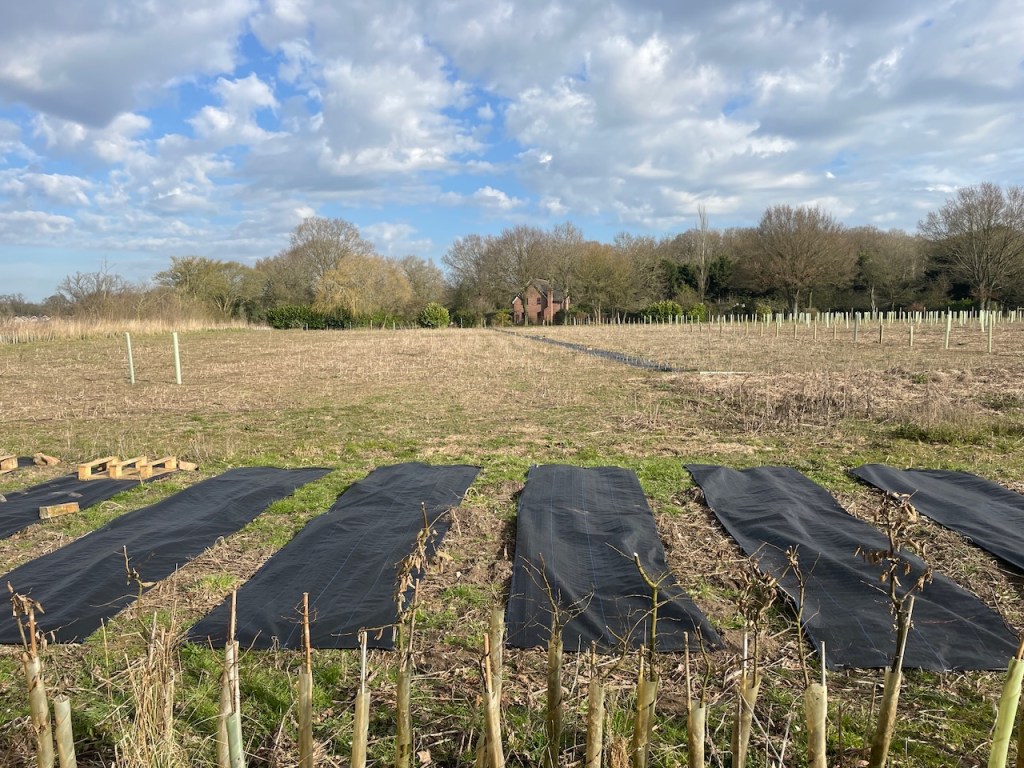
Community Garden
South facing, 8 meters deep, 50 meters wide. Sandy loam.
2022 Hornbeam hedge planted
2024 Marion planted potatoes. They worked.
2025
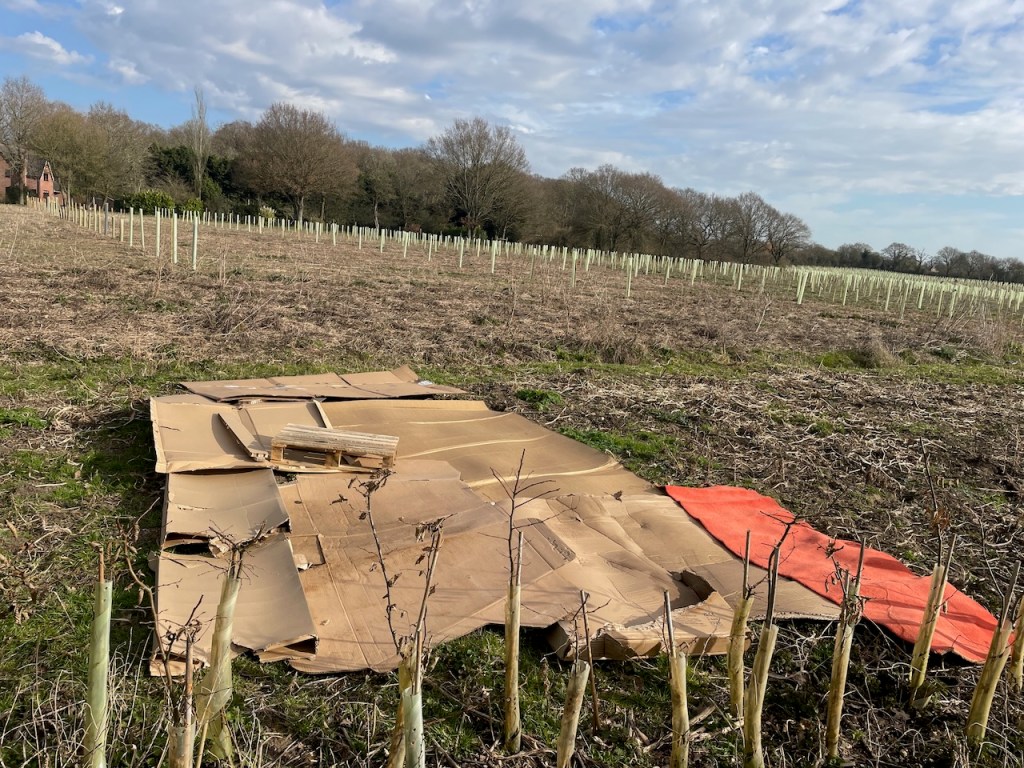
Forest Garden
North of south facing community garden. 10 meters 50 meters wide Sandy loam
2023 sown with Phacelia
2025 layered with wood chip
Form and function
The form of the community and it’s parts.
Volunteers, workers, Kinda Forest School children and facilitators
Karmafield Ltd / Kinda Education CIC Rachel’s Land
- Trustees/Structure/
Year breakdown
Plan
2024 – potatoes planted and they worked
2025 – Community Garden and forest garden fenced, Agroforestry
Jen Berry connection, involve. Halesworth Greens. Creating a fund to raise money for this garden. We are also keen for anyone who knew Jen who would like to be involved in the planning or planting of the garden. one called Jim.
Vicar to replace Gini is a horticulturalist by training.
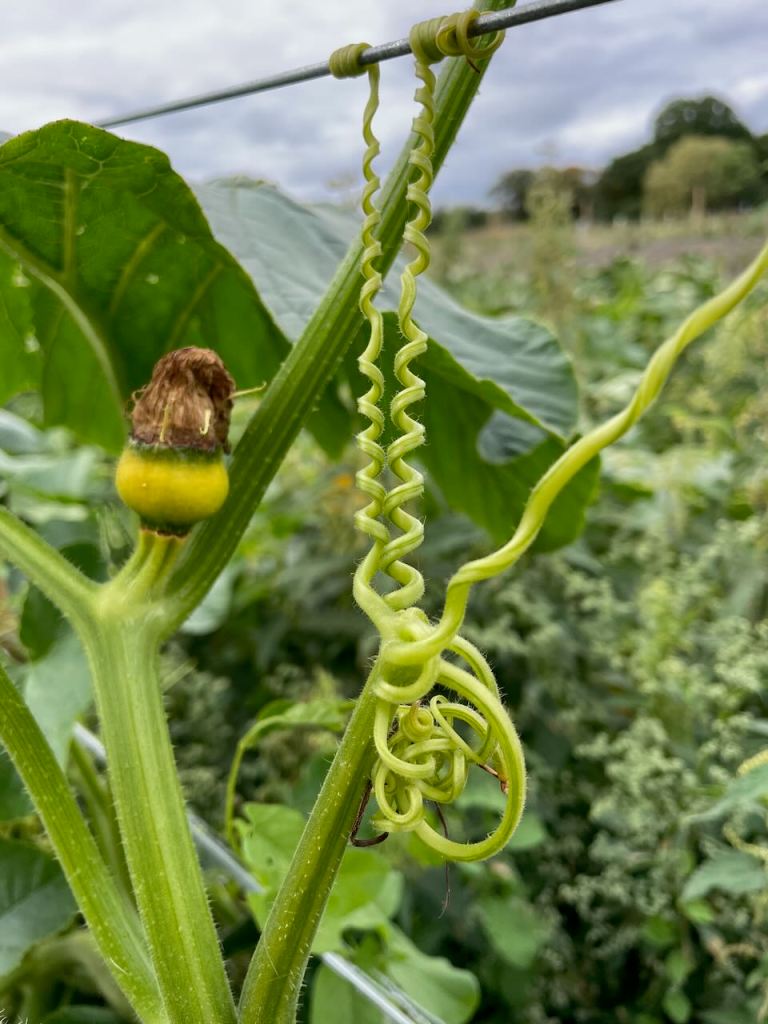
Alleys – Hemp/Sunflower/Vine
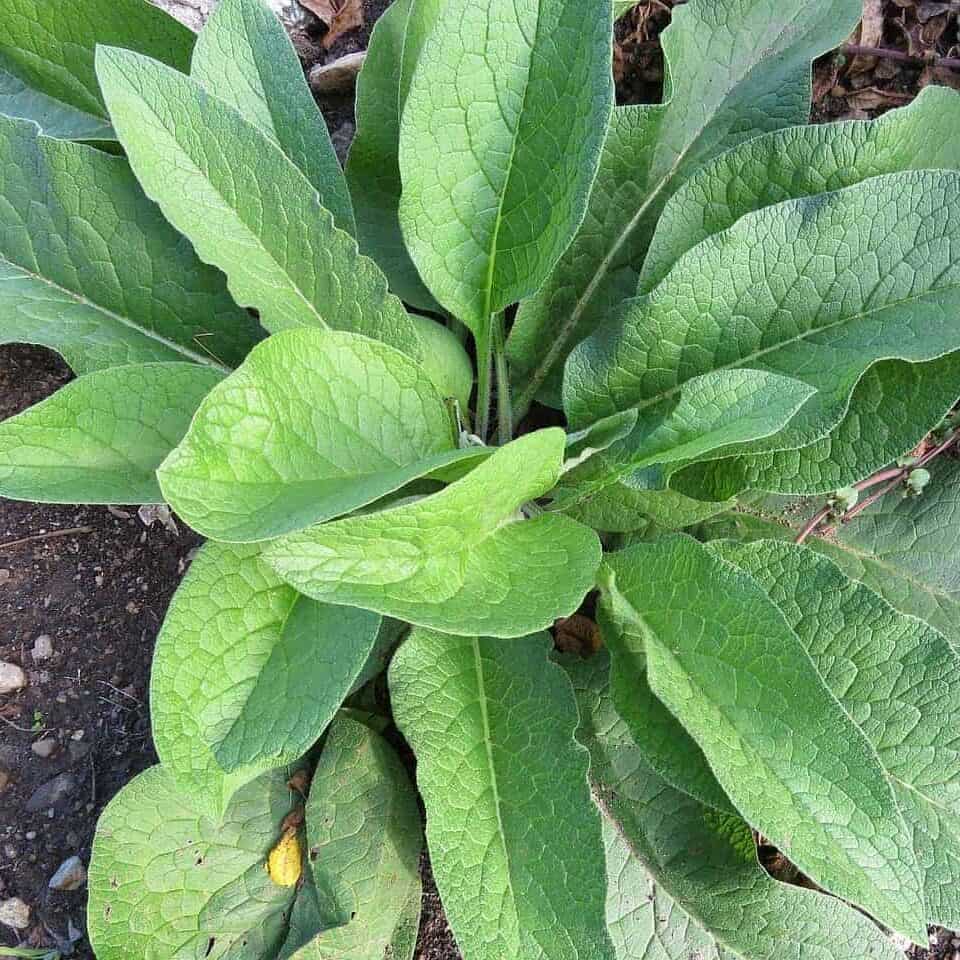
Plants – resiliance/ rain capture not just IBCs but within the planting.
- Wormwood
- Russian comfrey: Russian comfrey or Quaker comfrey is a common hybrid between Symphytum officinale and S. asperum. It represents the economically most important kind of comfrey. It occurs naturally in Caucasus region where it grows in waste areas and disturbed soils.
Fava beans alleys – Josiah
Sea Buckthorn (https://www.hedgesdirect.co.uk/) 10
Marion’s list
TOP LAYER resiliance
Quince 2026
Fig – brown turkey + another
Damsons (careful of suckering)
Apple /pear aimed towards climate change
Loquat
Peach
Kiwi (Lil)
CLIMBING
Hop
Grape
Rose
Vine – pepper berry.
Shrub Layer
Victoria Hill’s list from Dartington:
Ive found a list of plants I wrote when I went to visit a forest garden in Dartington last year. These ones were all edible I believe and many more than we could look at in an afternoon tour.
Musk strawberries
Fiddle head ostrich fern
Hosta shoots
Solomon seal shoots
White mulberry pollarded, leaf crop
Chinese dog wood
Plum yew, male and female plant edible fruit and seed shade tolerant
Szechaun pepper self fertile
Hops shoots
Pesticites
American ground nut climber starchy tubers
Yam
Bamboo, harvest shoots on edge to manage spread.
Houttuynia
Pond for system benefits
Myrtle
Robust tricolour, big spaces
Walnuts, hazelnut if no squirrel
Sweetchestnut,Marigoule
Bladder nut understorey
Hawthorn Syrian and redraw, bigger fruit
Currants, black bit more sun. Coppice when the start to diminish, 25years?
Vintage for bees in the winter
Persimmon
Pineapple guava
Bergenia tea plant in siberia, black leaves
Sweet ciciley
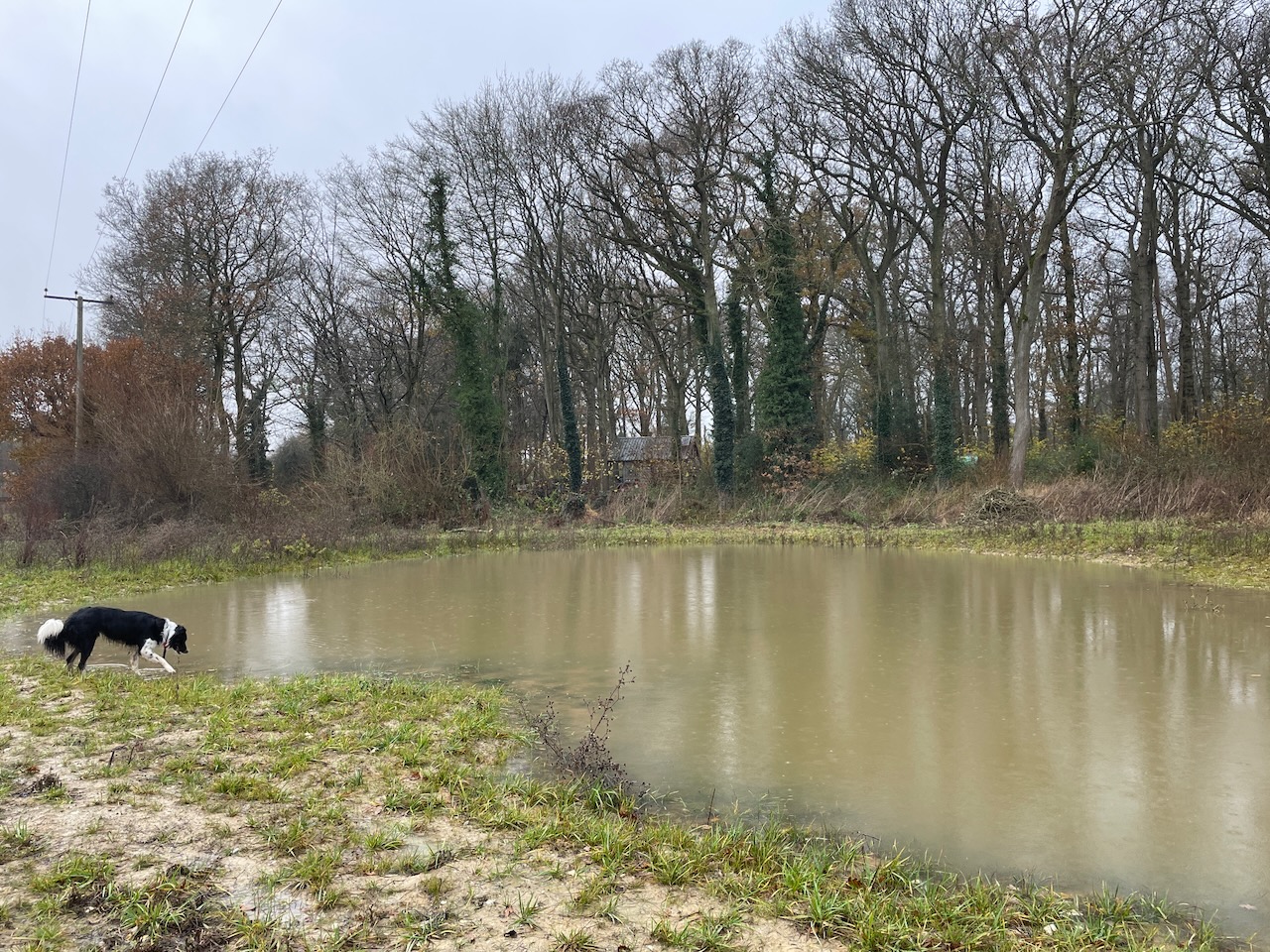
Water
Set up simple shed barn for water harvesting
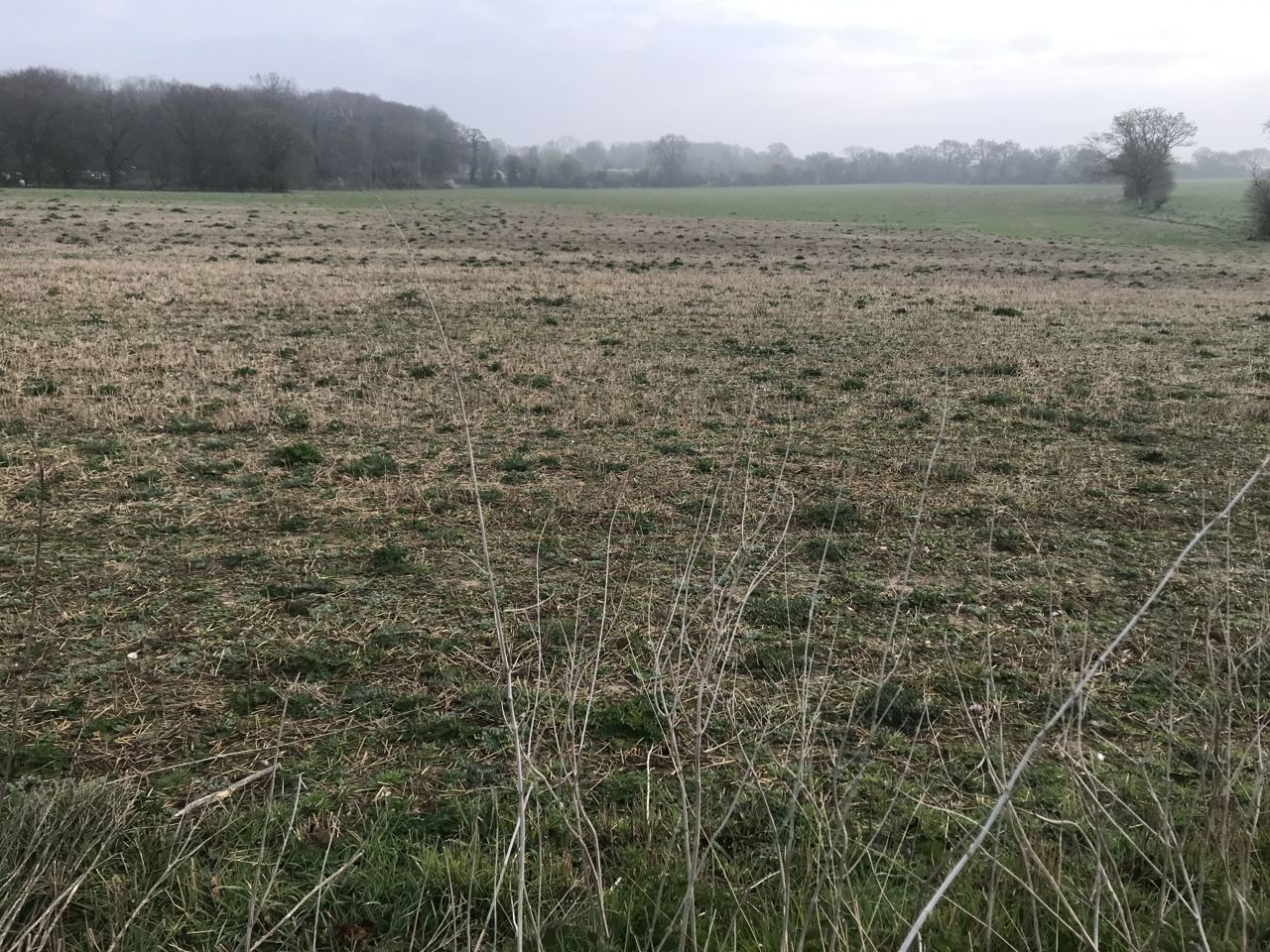
2022
ddd
2023

ddd
2024
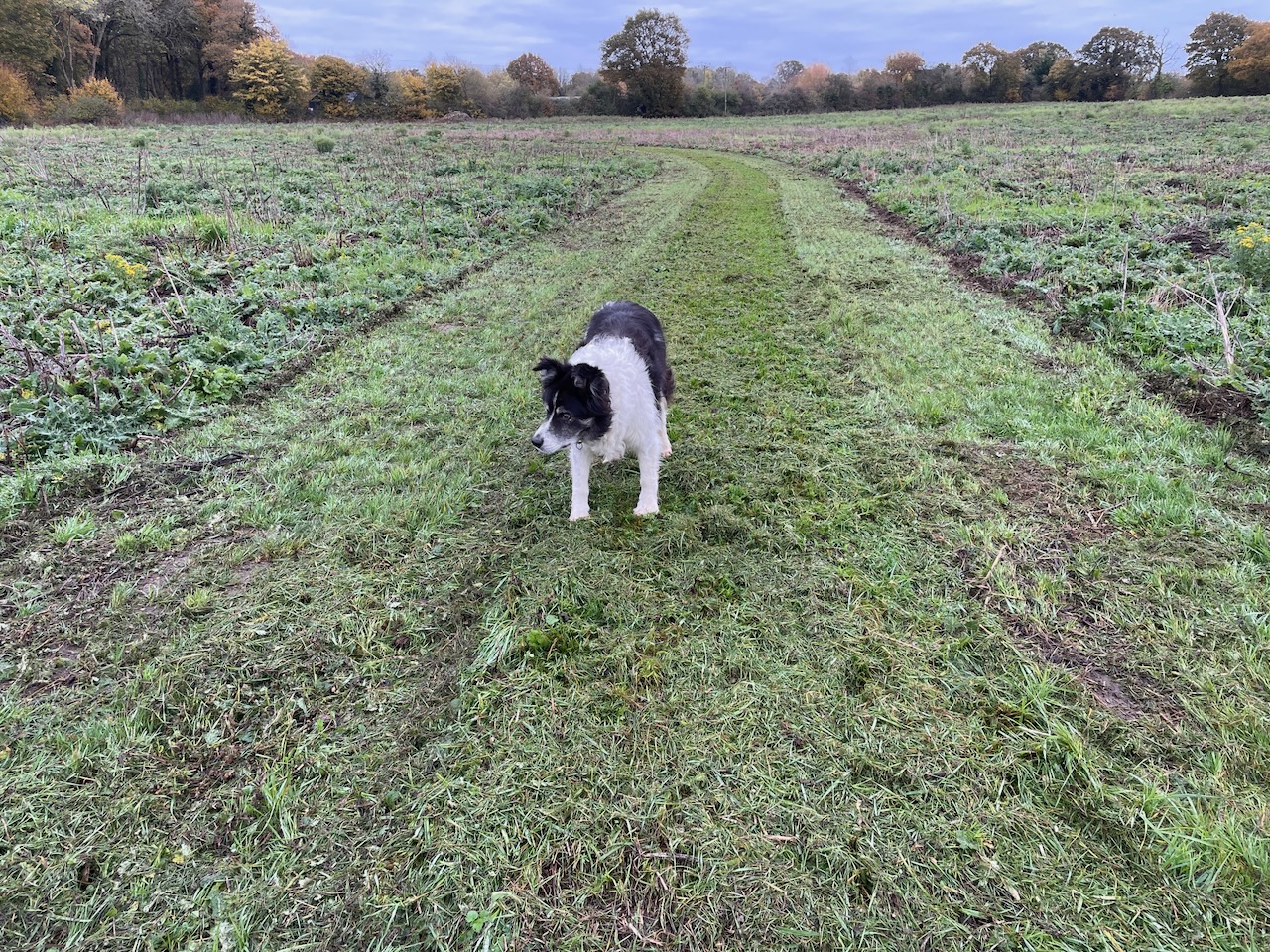
2025
2025 – From the modest profit from EWCO funding, Sam made the fence and spread the chippings around Community and Forest Garden.
Marion planted potatoes and squash. The Community Garden Friends formed by Marion
2026
2026 – the year of drought. The friends planted potatoes and squash again, both struggled in the desert, and without more mulching with woodchip, the soil exposed. Asparagus bed created which did surprisingly well. Shed built. First rain in August.
2027

