Location
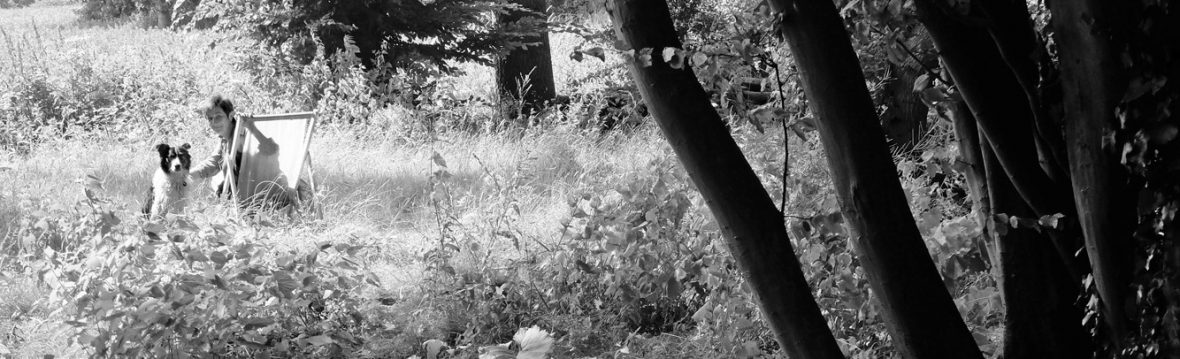
The project is on a four-acre site at Holton, immediately outside Halesworth, East Suffolk (IP19 8NQ; ///plankton.snores.before). Formerly monoculture arable farmland, it lies within a 17-acre field recently planted through the England Woodland Creation Offer (EWCO).
Immediately north is Kaliwoods, a five-acre oak nuttery, home to Kinda Education and managed through community coppicing. To the south is the 20-acre community-owned Holton Pits, with a diverse mosaic of grassland, woodland, lake and other habitats. Public footpaths along the western and southern boundaries connect towards Holton Pits, while newly planted native hedging provides further habitat connectivity.
The site is predominantly sandy loam with heavier boulder clay to the north. Its position between established and newly created woodland, hedgerows and Holton Pits provides an opportunity to strengthen ecological connectivity, while its proximity to Holton and Halesworth makes it accessible to Kinda Education and the wider community.
Project outcomes
Our project will transform a former monoculture arable field into a diverse, productive landscape where nature recovery, sustainable food production, carbon capture, heritage skills and community learning work together. By replacing a single-crop system with agroforestry, forest gardens and community growing spaces, we will increase biodiversity, restore soil health, capture and store carbon, strengthen climate resilience and create a living classroom where people of all ages learn by restoring the land.
The project has three complementary elements.
1)Agroforestry, informed by the evidence and over 30 years’ practical experience of Wakelyns Agroforestry, Suffolk’s pioneering demonstration site, will establish tree alleys with vegetables, flowers and companion crops. Species including Italian Alder, Hazel, Willow and Vines will create sheltered microclimates that improve biodiversity, soil health, pollinator habitat, carbon storage and productive growing.
2) Forest Garden planting will combine trees, shrubs, herbs, perennial vegetables and flowers in mutually supportive layers, creating a resilient, low-input system for food production, wildlife habitat and environmental education.
3) Community Growing Garden areas, supported by rainwater harvesting and irrigation, will enable families, children, elders and volunteers to learn food growing, composting, soil care, water conservation and wildlife-friendly gardening through practical participation.
Alongside food production we will cultivate willow for weaving, lime for bast fibre, hemp for textiles and plants for natural dyes, reconnecting people with sustainable heritage crafts while demonstrating productive uses of regenerative landscapes. In addition, we will restore a derelict Anderson Shelter into a Bat Bunker. And pass on hedgelaying techniques to improve wildlife habitats on the boundaries and within the larger site.
The project responds to growing demand for outdoor learning, climate action and community participation. Interest from Kinda Education families and local residents has already created a strong volunteer base, ensuring the project is community-led from the outset.
Led by qualified facilitator and RHS-qualified garden designer Louise Wright with landowner Rachel Kellett and experienced forest school practitioners, the project will demonstrate how restoring former monoculture farmland can benefit both nature and people. It will leave a lasting legacy of healthier habitats, increased biodiversity, resilient soils, local food production, stronger community connections and practical skills that empower people to drive nature recovery across East Suffolk.
Kinda Education reconnects people with nature through meaningful, hands-on experiences that build confidence, belonging and responsibility. This project extends our established forest school programmes into regenerative land stewardship, enabling people of all ages to understand how food, fibre, soil, water and wildlife are intrinsically connected while actively restoring ecosystems.
The site will become a place where children, Elders and families learn alongside one another, sharing practical skills, local knowledge and stewardship of the land across generations.
How you plan to deliver
The project will be delivered over three years, building on groundwork already completed. Since purchasing the land from a local farmer in 2024, we have tested regenerative growing methods, established key infrastructure and built an engaged volunteer community. This early work has refined the project through practical learning and experience.
Groundwork completed (2024–2026)
Land purchased in 2024 and the project masterplan developed.
Community Growing Area fenced and prepared.
Soil regeneration began using deep applications of well-rotted woodchip to improve soil biology, moisture retention and fertility.
Successful trial crops of squash and potatoes demonstrated the effectiveness of this approach while engaging Kinda Education children, families and Elders.
Initial agroforestry planting completed with hazel, willow and vines.
Rainwater harvesting infrastructure established through roof-fed IBC storage.
The severe drought of 2025–26 resulted in significant losses to the initial tree and vine planting. This experience strengthened the project by informing species selection, mulching, water harvesting and establishment methods, creating a more climate-resilient planting programme.
Delivery programme
Autumn 2026
Replant agroforestry alleys using locally sourced hazel from the Suffolk Tree Wardens Network and propagated vines.
Plan and Forest Garden Phase 1.
Prepare ground with well rotted wood chipping and mulch in the Community Growing Garden.
Establish a tree nursery from collected seed.
Extend rainwater harvesting capacity.
2027
Establish productive alley crops including squash, hemp, herbs and cutting flowers.
Plant and establish heritage fibre and natural dye planting.
Continue soil improvement, mulching and habitat creation.
Deliver regular volunteer sessions, Forest School activities and community growing events.
2028
Complete Forest Garden Phase 2.
Depending on results of alley cropping in 2027, replant alleys on a rotation basis
Monitor biodiversity, soil health, tree establishment and community participation to inform future management.
By 2029–30 the site will operate as a mature demonstration landscape producing food and fibre, supporting wildlife, capturing carbon and providing year-round learning opportunities.
Delivery will be led by Louise Wright, qualified facilitator and RHS-qualified garden designer, with landowner Rachel Kellett and Kinda Education’s experienced facilitator team. Around 40 facilitators, 75 children, 20 Elders and 45 Forest Family members will be involved alongside volunteers and community from Holton, Halesworth and the surrounding area.
The project will be delivered with support from Wakelyns Agroforestry, (David Wolfe), the Suffolk Tree Wardens Network, Holton and Halesworth Parish Council, Blyth Valley Church. All these providing technical guidance, locally sourced planting stock, volunteer support and knowledge sharing.
Kinda Education believes that lasting nature recovery happens when people develop a deep relationship with the land. Through meaningful, hands-on experiences, we enable people of all ages to become active stewards of nature, building confidence, belonging and responsibility while restoring ecosystems together.
https://communitygrants.ngs.org.uk/gardengrant.aspx?grantid=2432

