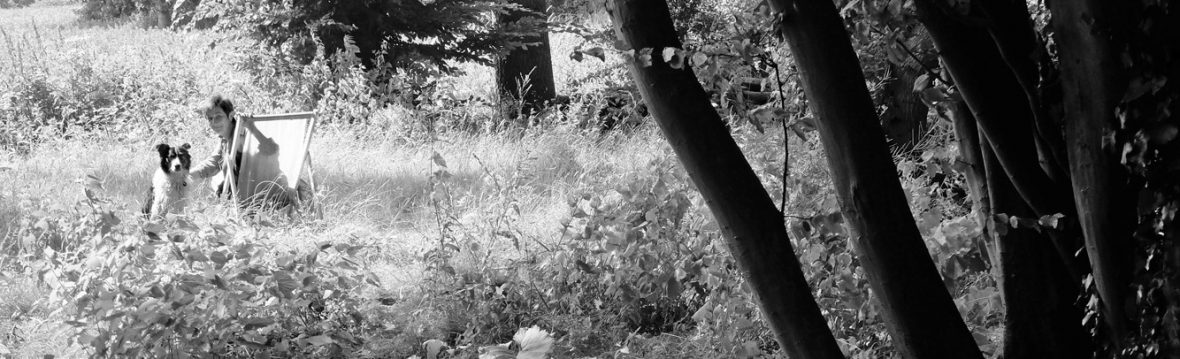
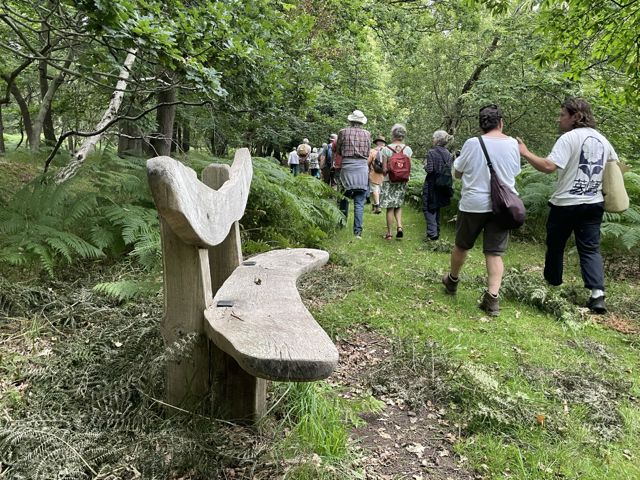
Another inspiring walk talk organised by Eamon and Peter and Woodbridge Climate Action, this one to learn how to interpret landscape. Turns out Peter knew Oliver Rackham, the master interpreter of landscape. But Peter was a good live interpreter, and I learned much.
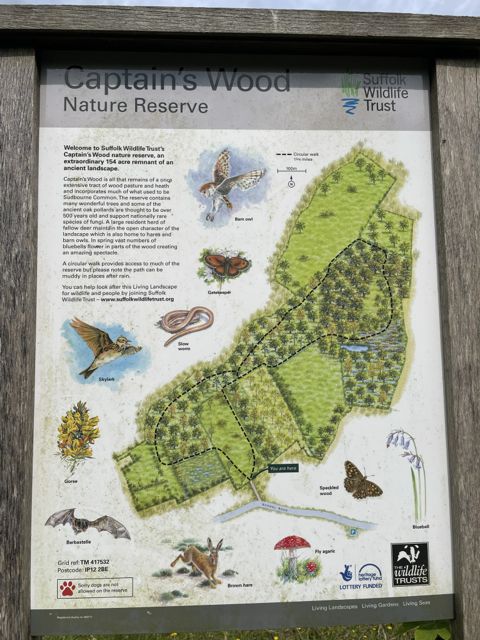
Captains Wood – the name tells us it’s not an ancient name, but a layer over. It’s all about finding the layers. Owned since x by Suffolk Wildlife Trust.
We are looking for interventions. Evidence of birch, chestnut, beech. Beech a prestigeous tree 100 years ago. ‘We’ve got to have beech! Sacrificed Small Leaf Lime.
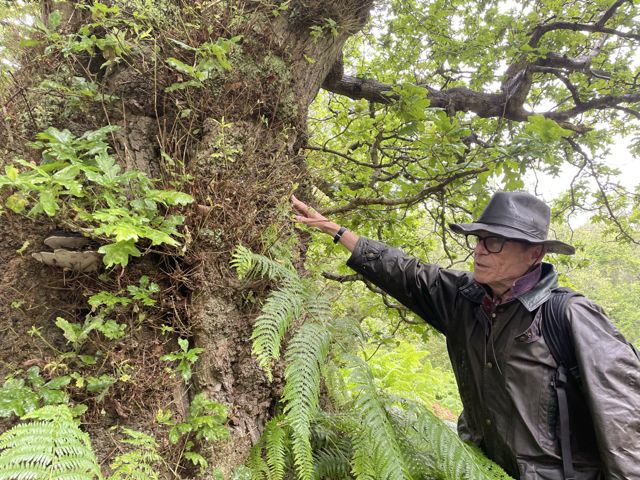
Epicornic growth on trunk: It is the growth of new shoots from epicormic buds that lie dormant beneath the bark. This growth is normally suppressed by hormones from active shoots higher up the tree, but when there is trauma from factors like insect attack, drought or fire these buds are activated. On oak, not beech.
Bunds with stock to control fallow (roe for aristocracy)
Sweet Chestnut introduced by Romans
First world war, only 4% of England with wood.
The bowl of the oak indicates compensation, roots not. Bonsai roots
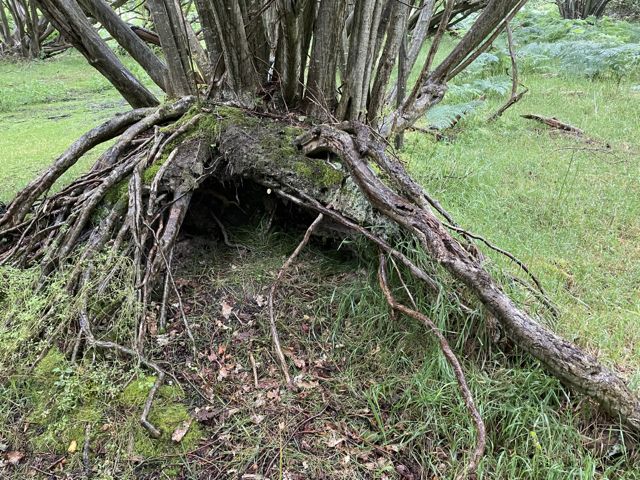
Hazel layering.
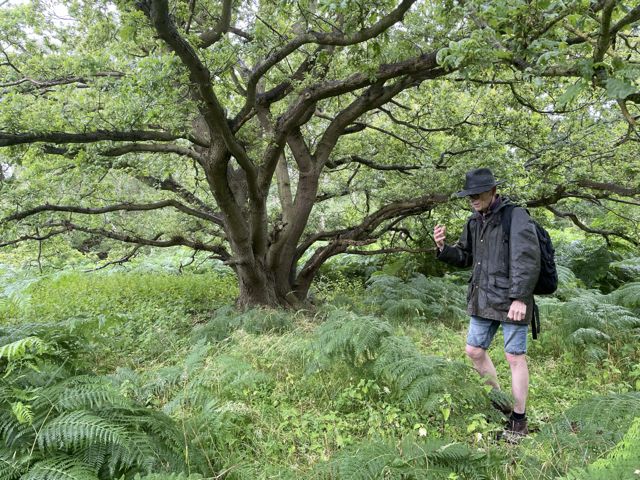
Under an oak, nettles and bracken, nettles indicating somehow this area fertile, remnant nutrients.
Interpretation of a group of oak closely planted – may be a bundle planter put them all in the ground here.
In 1780 pollardiing suddenly ceased. Evelyn of course, who was influenced by the German system. “This was for a variety of reasons such as replacing wood fuel with coal and removing commoner’s rights in the 1773 Enclosures Act.”
Oliver Rackham introduction to pollarding



Sudbourne Church
Feeling free and curious we stopped by Sudbourne Church, a tower with a pointed steeple amid fields of green. Impressive wood roof. I often thought of how my life would have been had I lived around this landscape.


