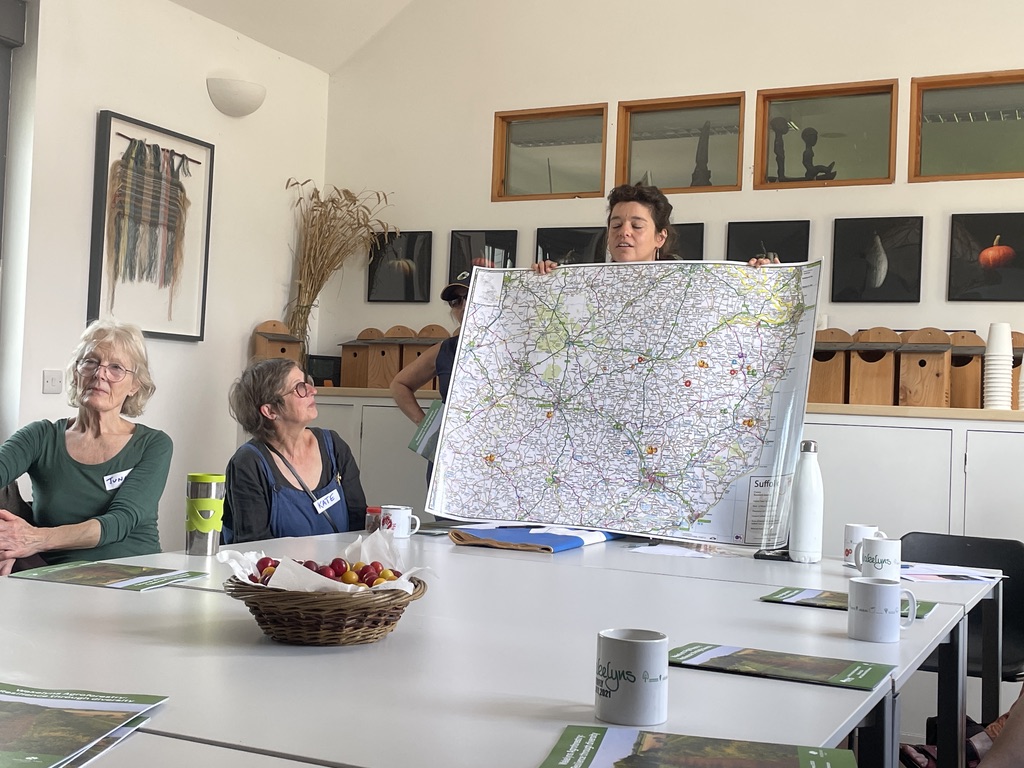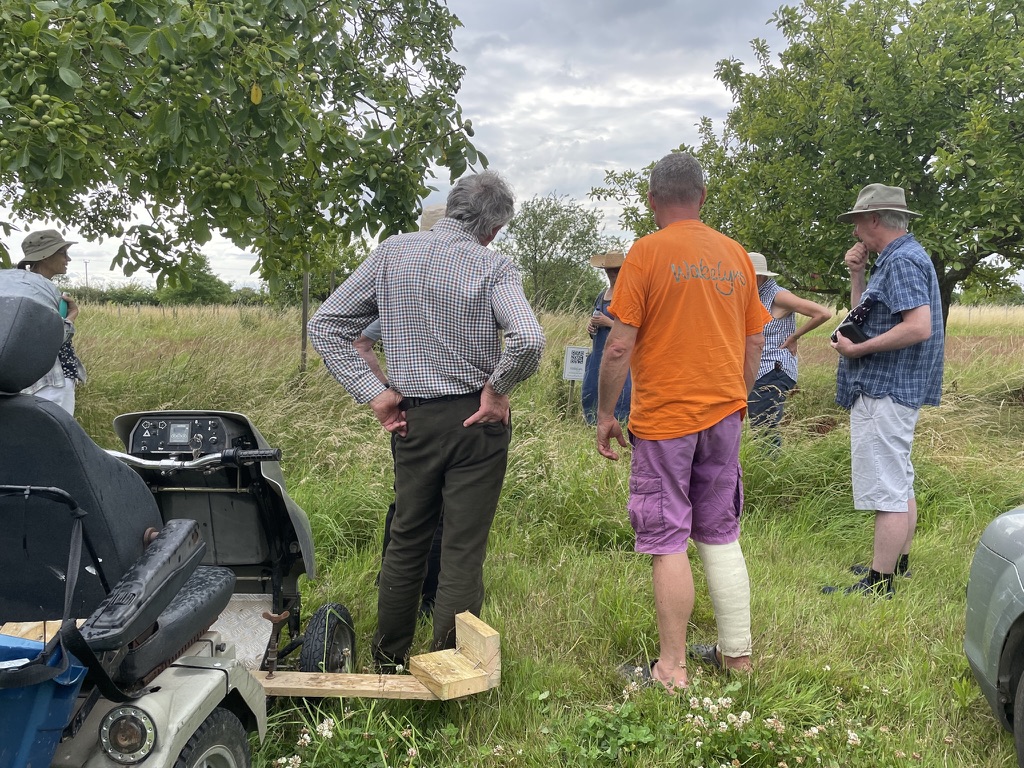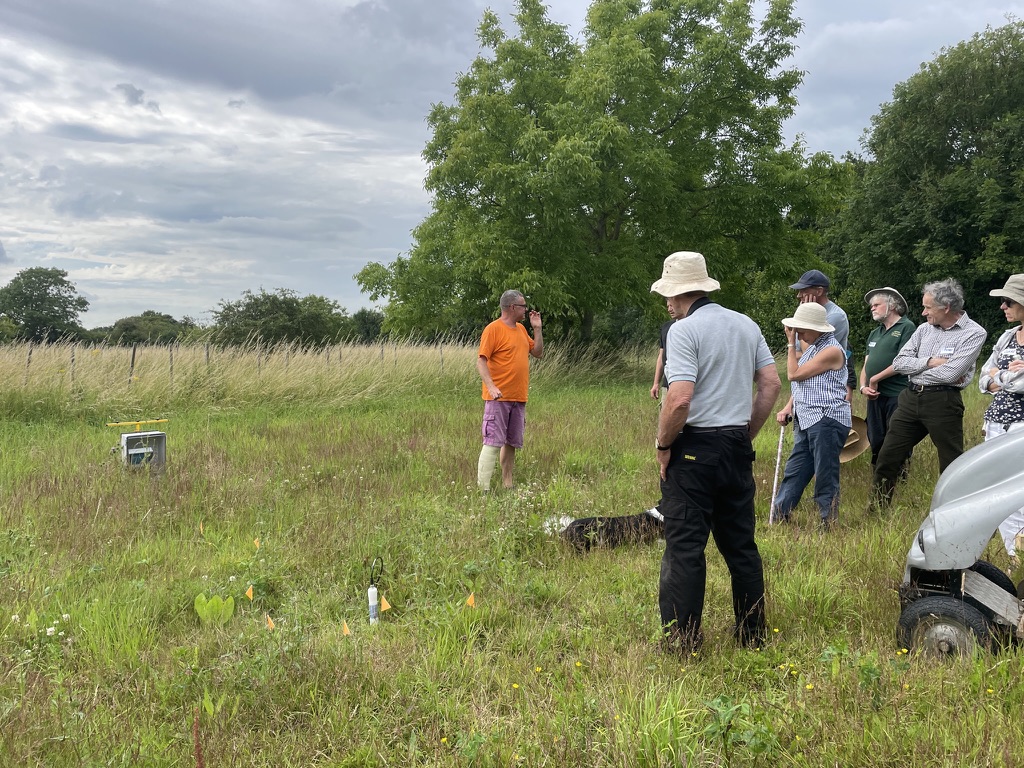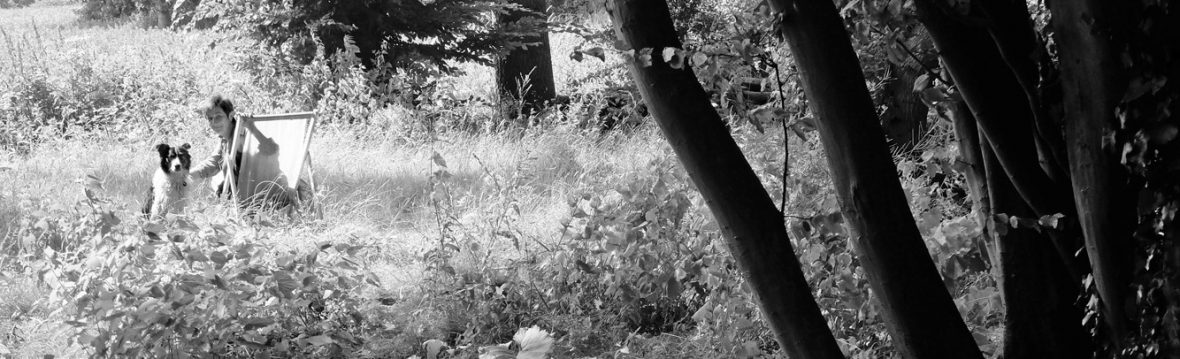
Brilliantly arranged by Richard, who divided us into groups to gather in a basket ideas to form the 5 year plan for Suffolk Tree Wardens, now newly established as a CIO – Charity Incorporated Organisation.
Some notes here from David – each time I learn a new aspect. It must be 24 years I have been going to Wakelyns. I come across the ghost of Martin at odd moments, and am reminded that Waklyns and Martin are my land and wood inspiration.
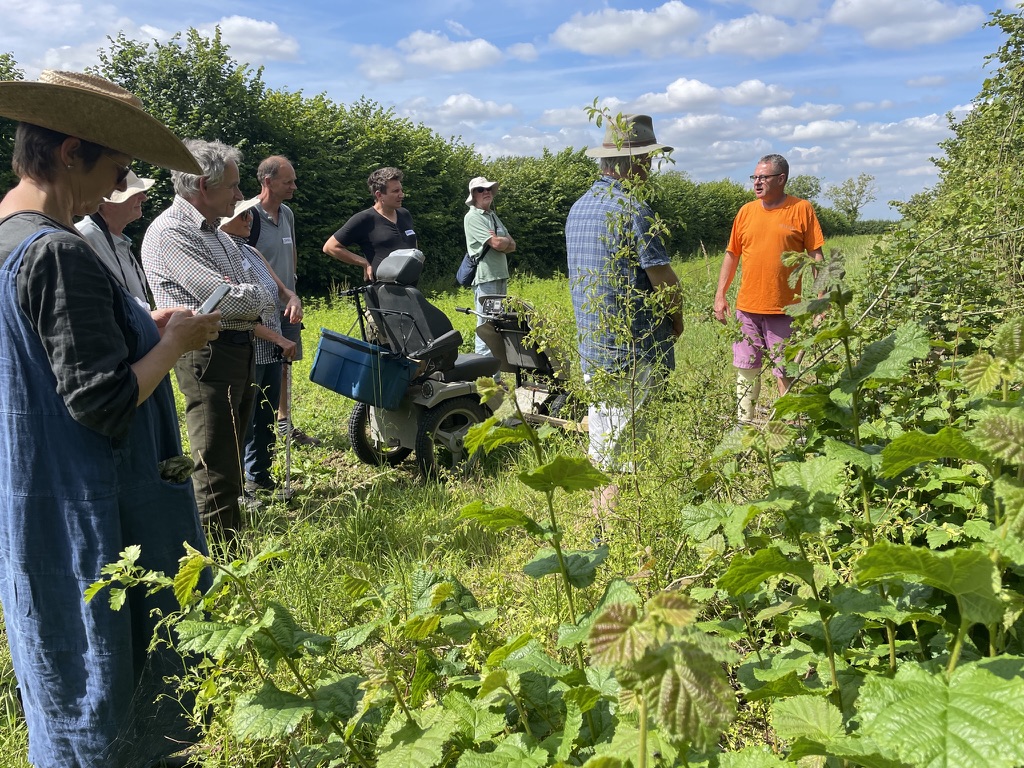
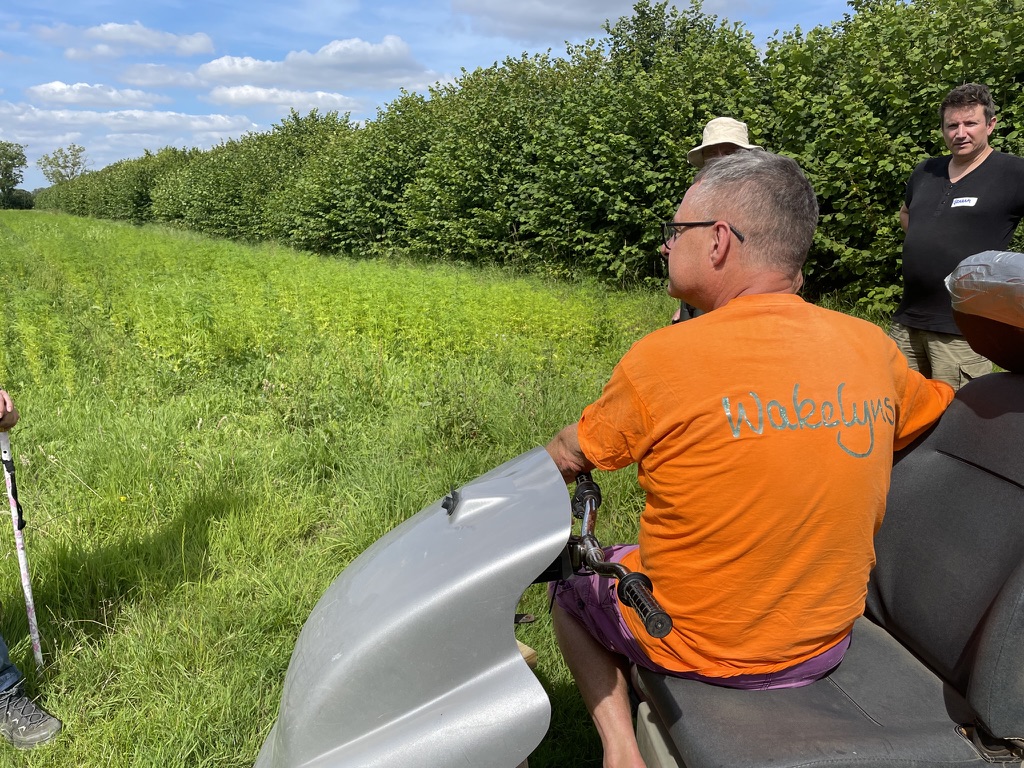
David: At my age now, my father and mother bought Wakelyns, in 1992. They did the first agro forestry planting in 1994, which was considered bonkers at the time. And still is relatively recently: When David came to get an evaluation of the land and buildings after Martin and Ann died, Durants said the value of the farm land was 25% LESS due to the alley structure. Taken out the alleys and you’ll get 25% more.
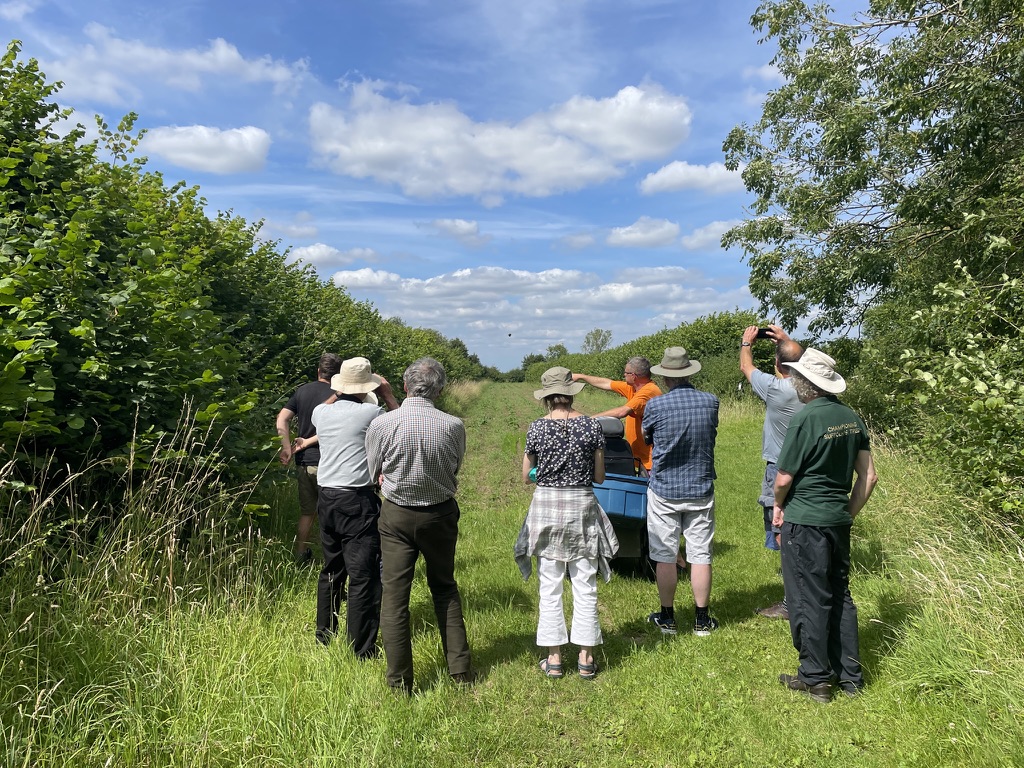
56 alleys in organic rotation. Short rotation cycles of 7 years. Very compact. Hazel coppice the most lucrative crop. Mulch is also considered a crop – turning now to green woodchip. 30 + heritage trees. Martin: What’s the worst place you can grow an apple tree? In an orchard.”
- Short food chains – adding value, food grown on land eaten on land
- Enterprise stacking – Hemp, Willow, Sheep, Cabins
Success of mob grazing of sheep.
Organic agro-forestry – Steve Briggs, George Young.
Subsidy: £250 per hectare will soon disappear. ELMS 850 per hectare
Hemp – base material since Henry VIII – every farm had to grow a certain amount of hemp for rope making.
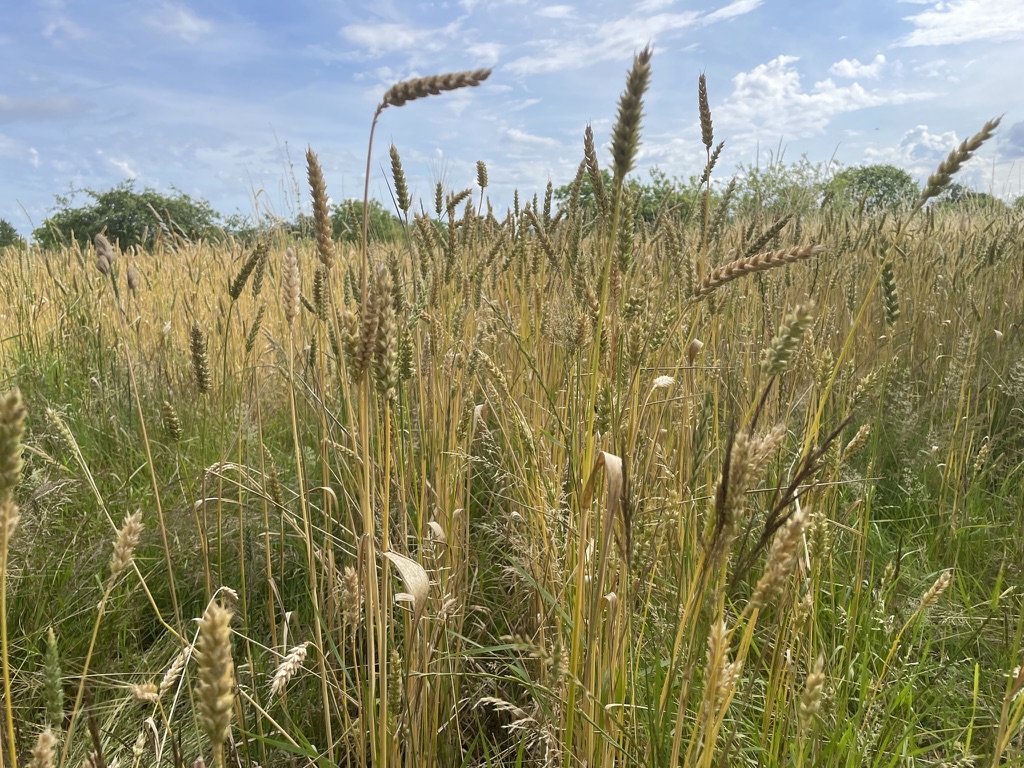
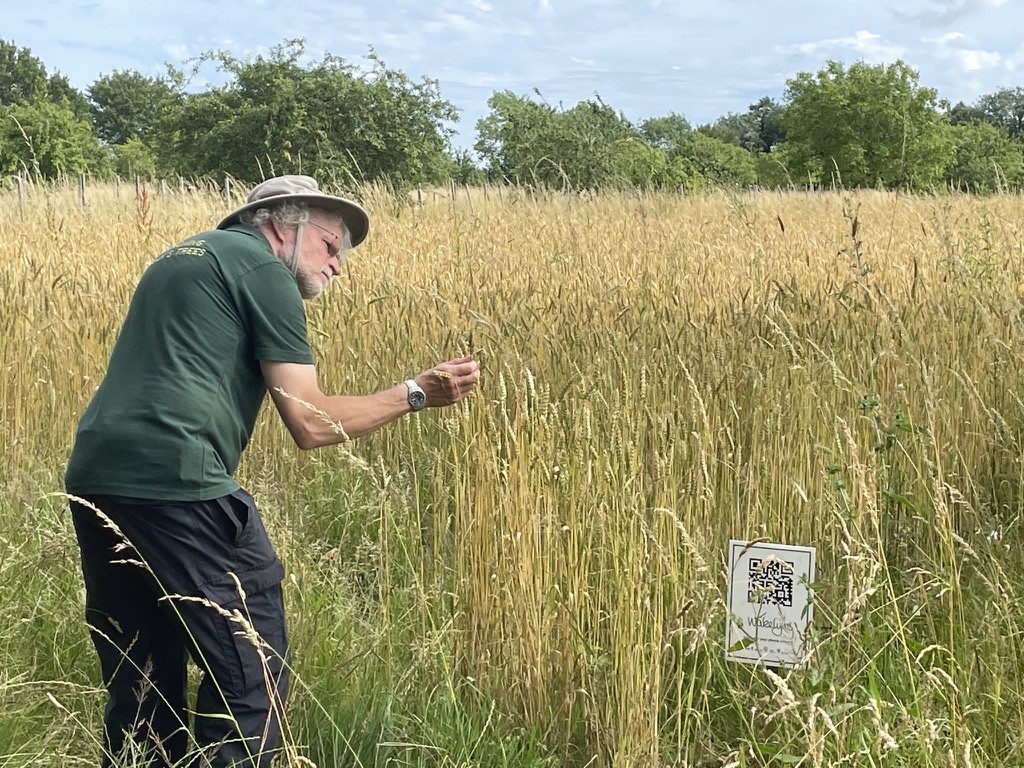
Wakelyns Agroforestry, the original home of the revolutionary Q and YQ wheat populations. https://wakelyns.co.uk/yq/ (about re-importing it)