Jonathan later explained how two people doing one persons work is not just twice the work but two and a half. How right he is. We got an enormous amount of work done, and it was a pleasure to have George’s company and conversation (particularly with Jonathan on quantum theory – I was surprised to hear us talk of Roger Penrose, mind and consciousness ) as well as getting the work done.
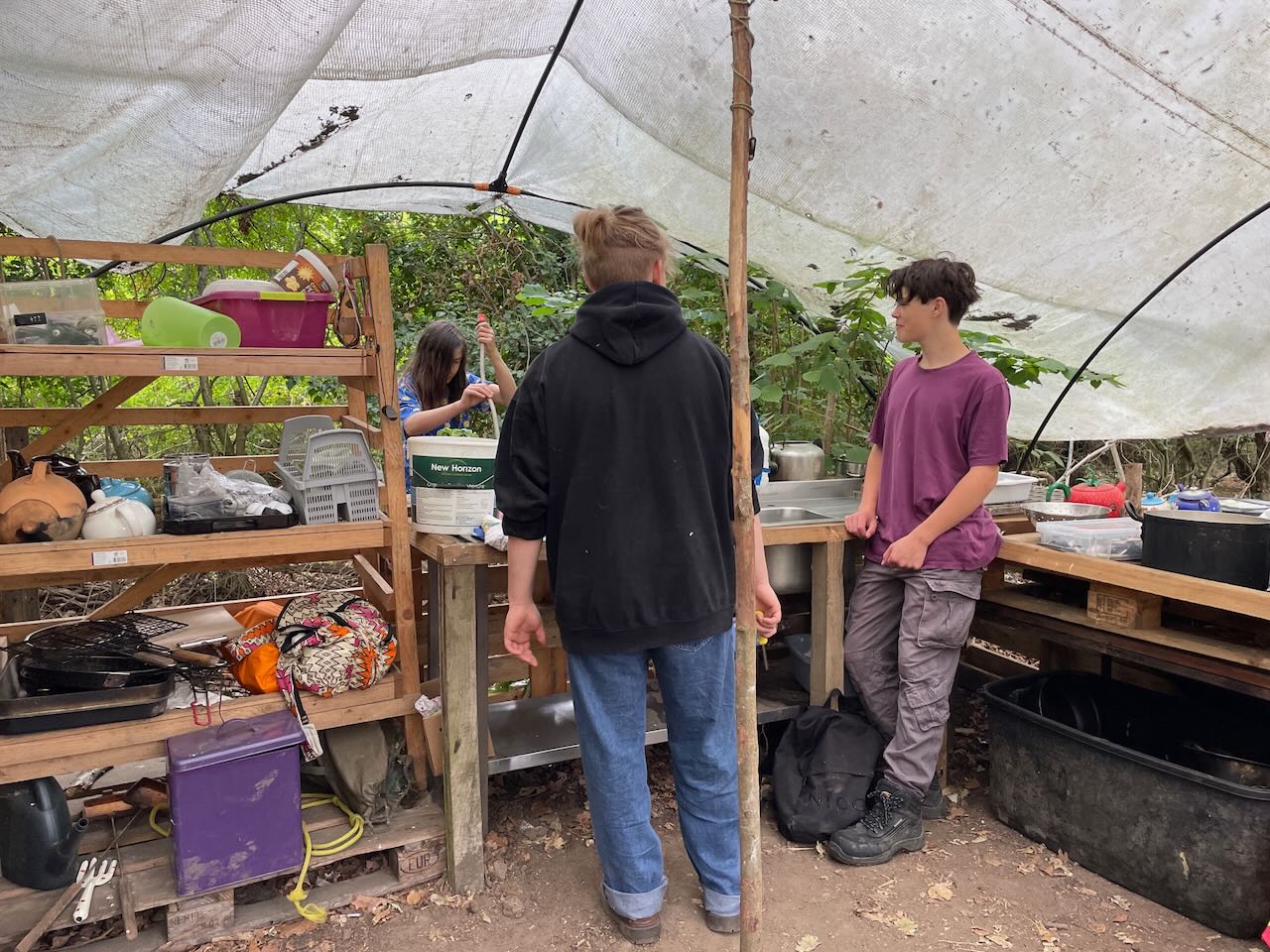
‘Play is work’, Gina reminded me, as I somewhat judgmentally declared: tomorrow we will have real work, today enjoy the play. The first work experience day, George played/worked with J, L, and X, the 4 musketeers who came through Forest School at Kinda together, now all venturing in to the wider world. But together here in the wood, they engaged in the task of getting water to the tap in the forest school kitchen. A hose of 70 meters was requested, followed by puncture repair kit, and the water flowed. They were exhausted at the end:

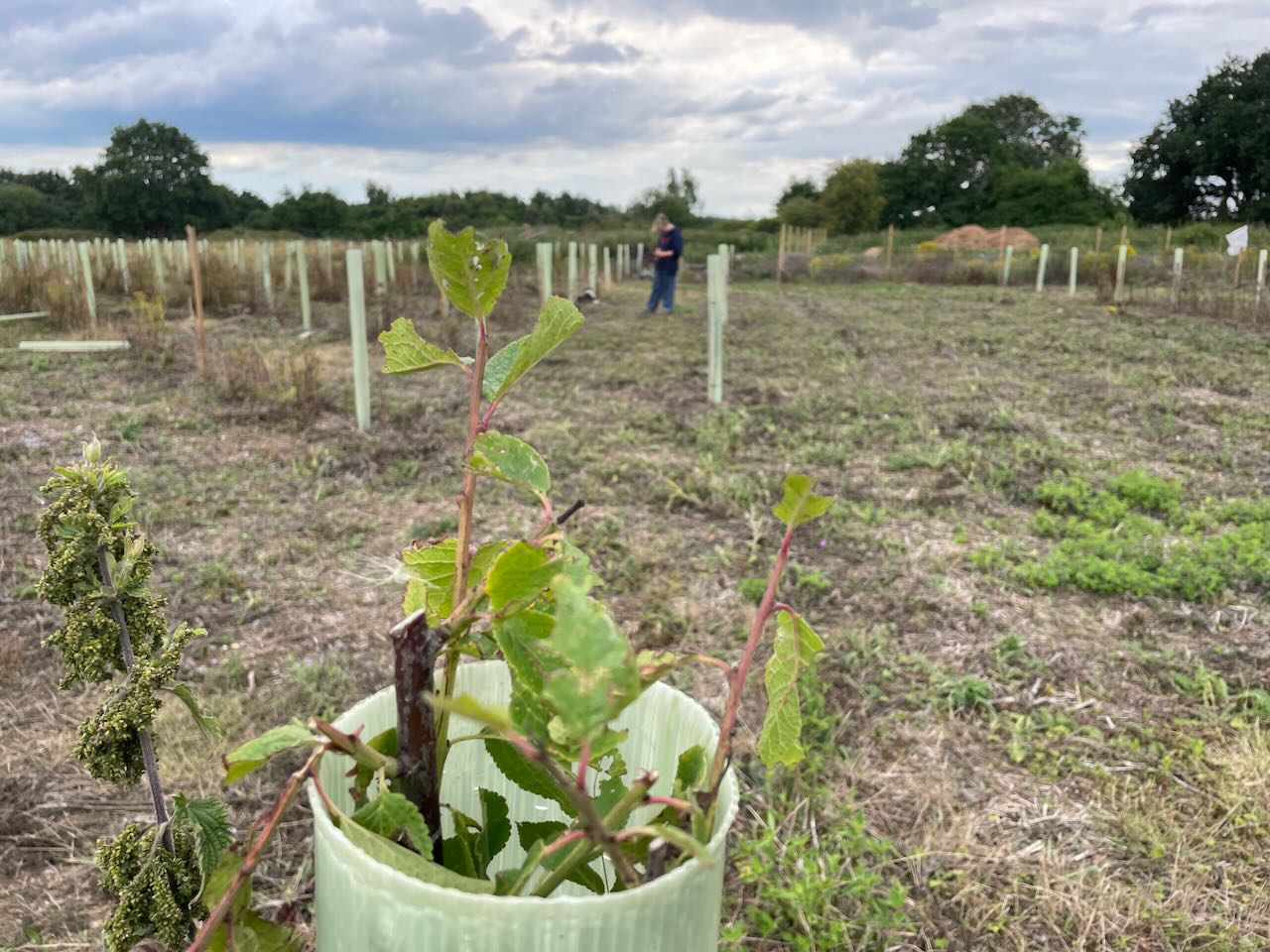
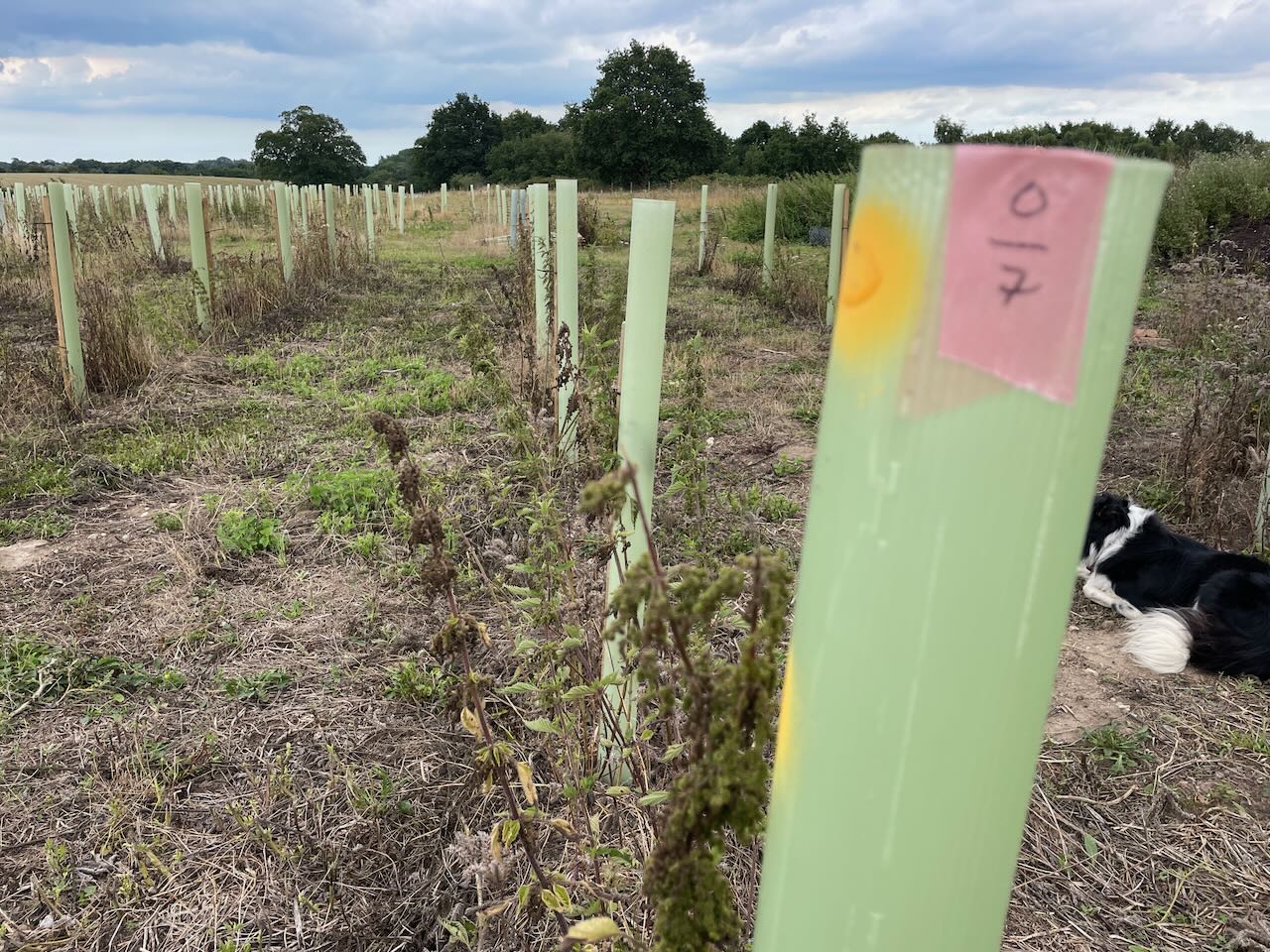
Second day we worked both land and wood. First was the beating of section 7 – checking to see which saplings planted in February, this drought year, had survived: those alive, those ones dead and those ones were a maybe. The plan is to replant the def dead ones, and see if the maybes lived another year. The first row was shockingly pessimistic, with only 20% definitely surviving. However as we progressed down the lines the story appeared better and George estimated 40% were def alive. We will complete this analysis next week and confirm.
To avoid the heat on the land we moved into the wood, and worked the tree nursery. Here I’d been growing roughly 1,000 tree saplings in preparation for re-planting of any that had died. We got all out on the hard standing before re-potting, diagnosing disease, and re-ordering in species type. Hazel and Cherry were difficult to tell apart.
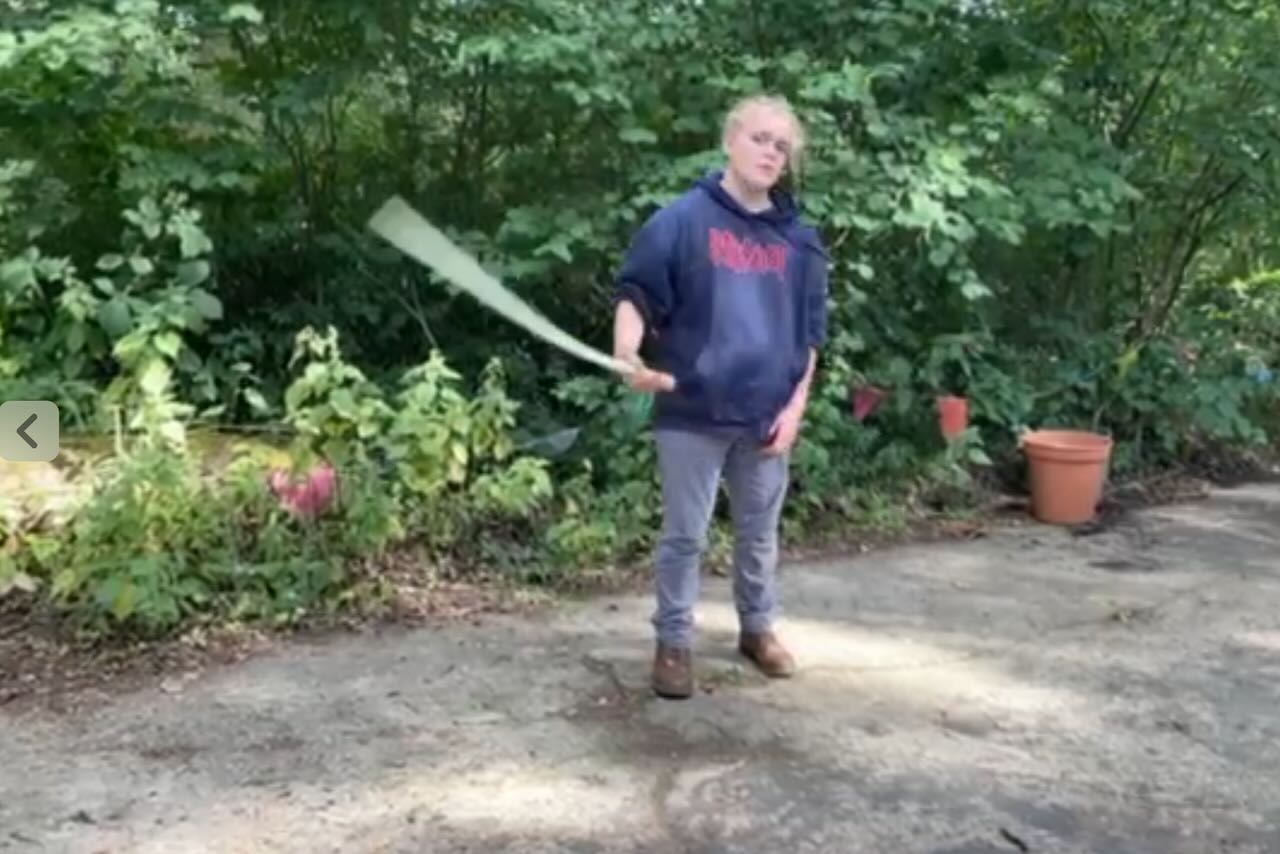
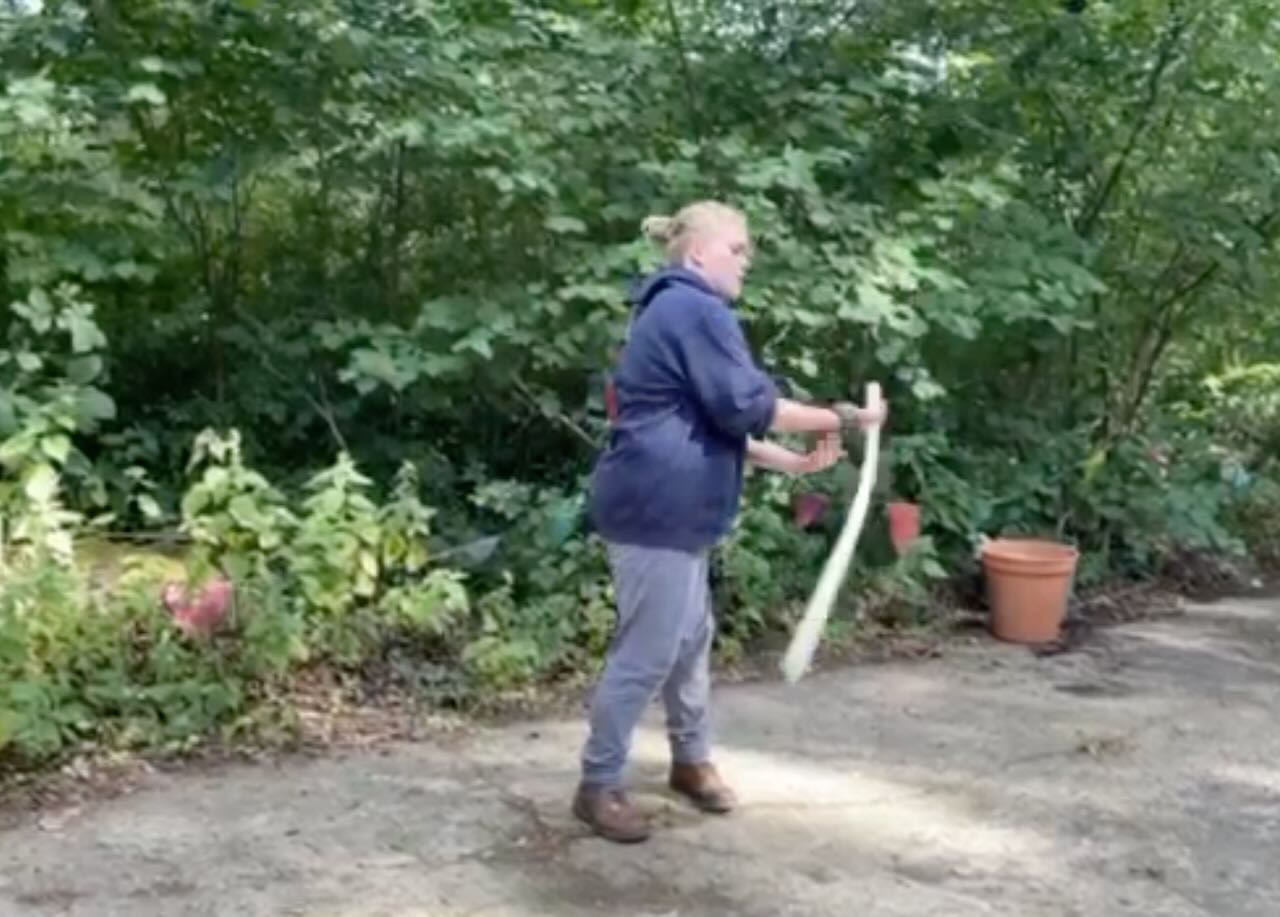
Finally George whittled his own samurai sword.



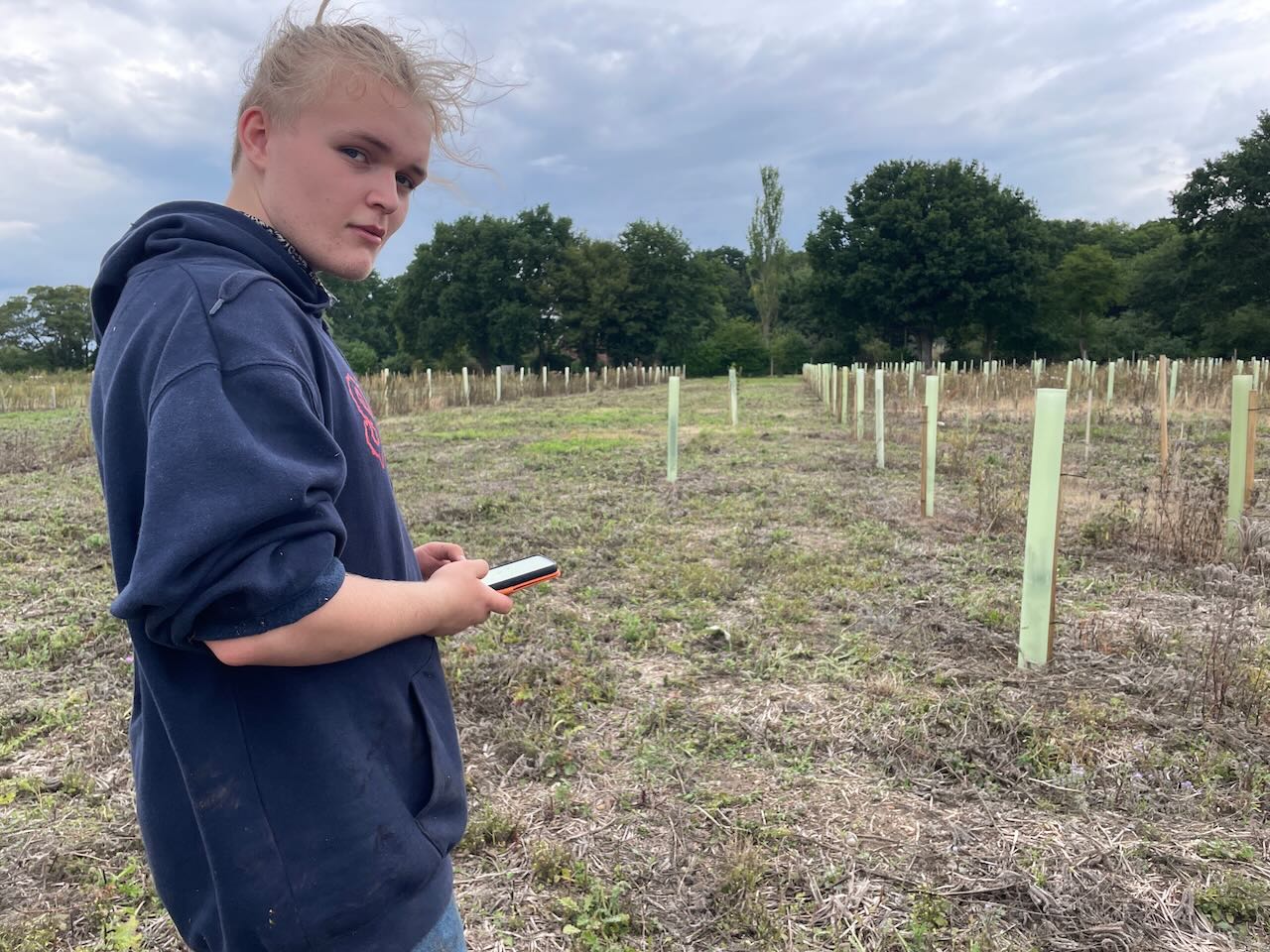
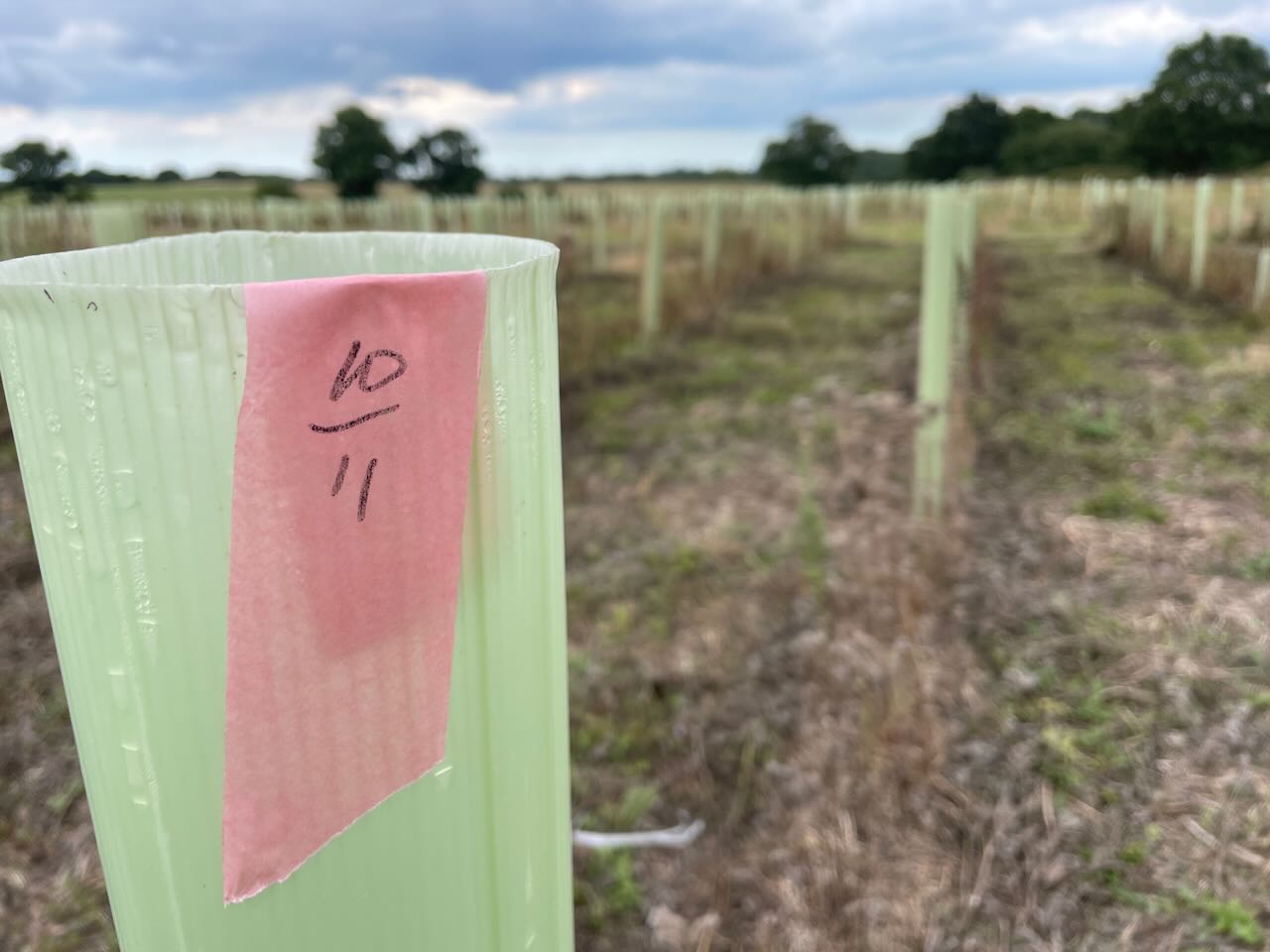
Having signaled all of section 7 for sapling trees alive, def dead, and may be, this day we measured to get an idea of which saplings had survived in this drought year. With a rough idea, I’d estimated that around 40% had survived, which some said was not too bad. However, with the quick measurement and mathematics of George the number was much better:
Out of 845 sapling trees in this area 478 were definitely alive, which is 57%.
The hazel rows did not fair so well: Out of 33 in row 1, 12 were alive = 33% and in Row 2, out of 41, 5 alive = 11%.
In addition, George helped with the annual task of pulling Himalayan Balsam from Halesworth’s Town River. We’ve done this for the last 3 years, and the decrease is noticable. It works. Ideally we should have a larger strategy up and down stream, but this keeps it ‘under control’. It’s a complex issue. See notes below.
It’s a pleausre to pull – ie very satisfactory and easy. George meeting it intimately for the first time, examined it’s structure, and shared a lesson in form and function: Inside a cross section of stem, he showed me the Xylem – up which the nutrients travelled, and the much more noticable Phloem – the conduit for water.
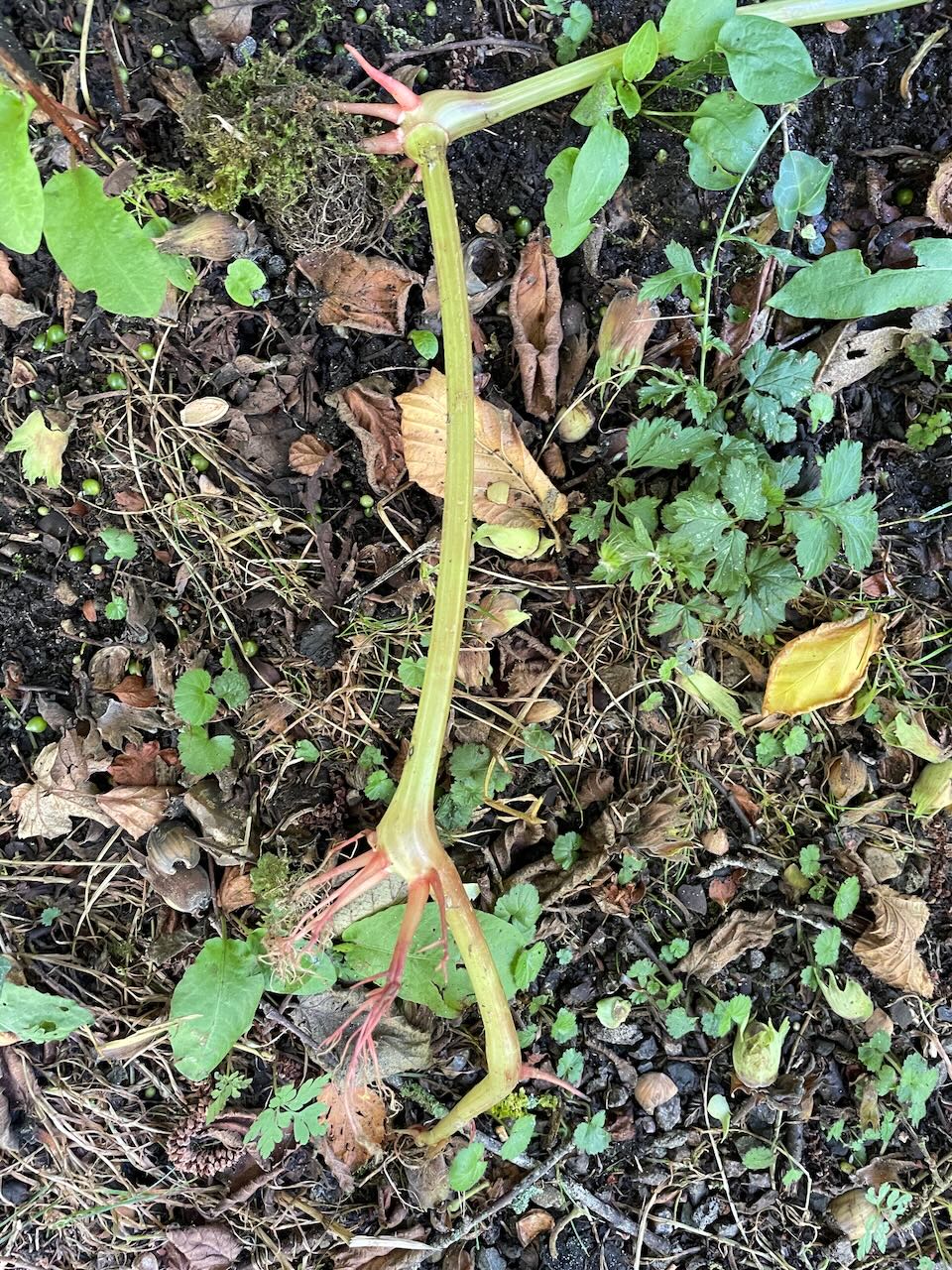
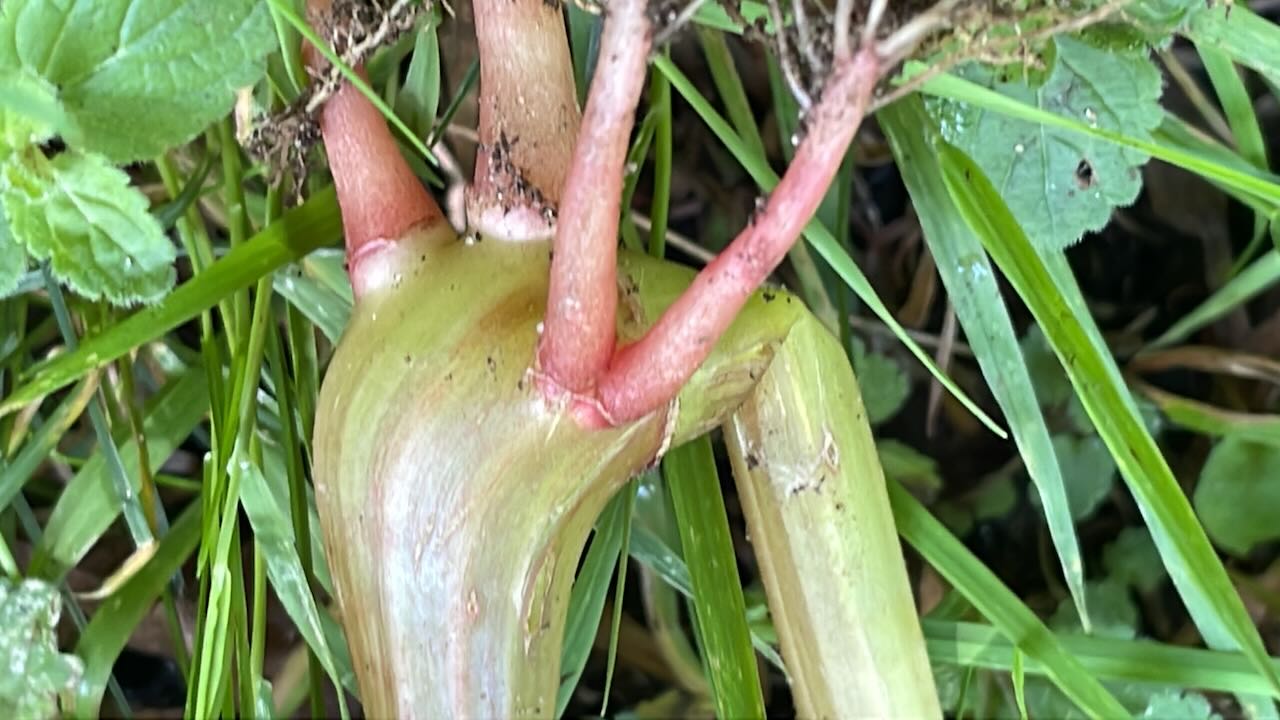
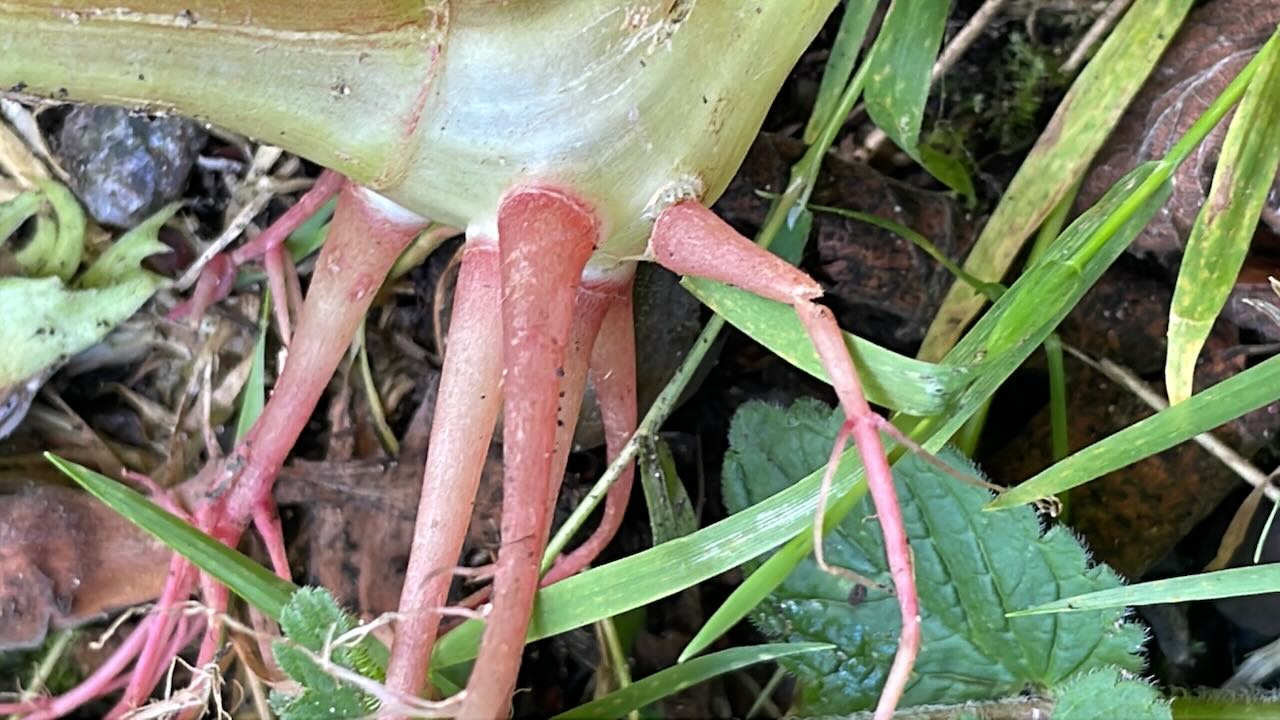
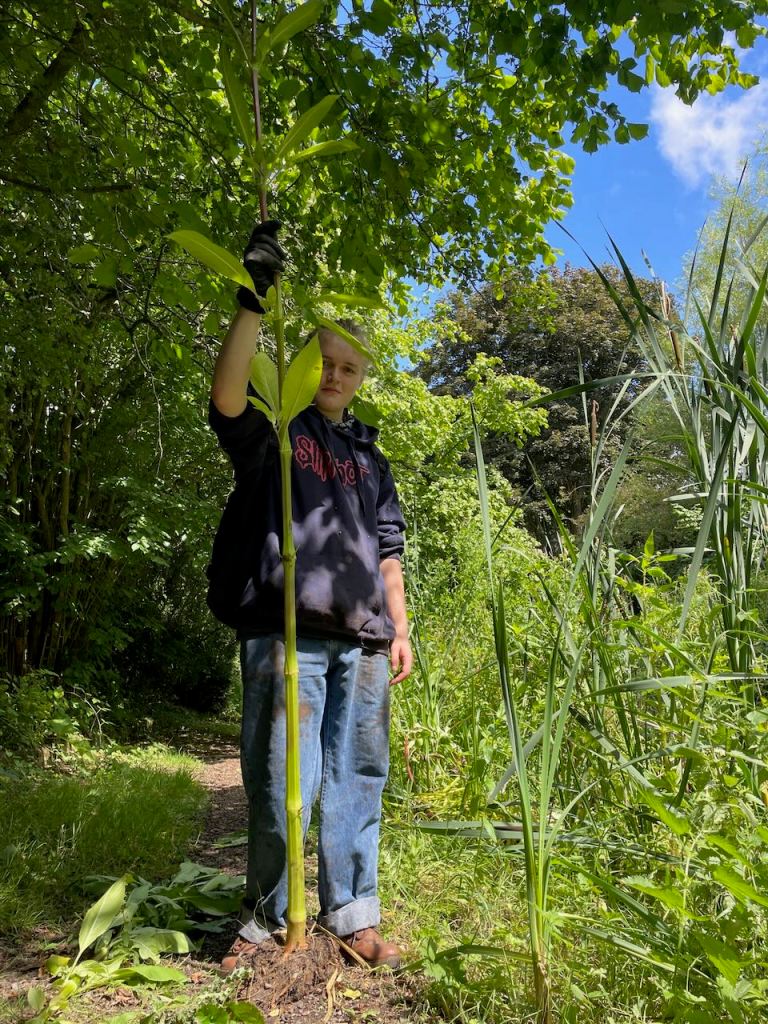
The invasive species Himalayan Balsam (Impatiens Glandulifera) first arrived in the UK in 1839; since then it has spread widely throughout the UK and is thriving in and around Halesworth in water courses and on river banks.
If allowed to flourish each plant can produce up to 300 seeds which can shoot up to 7 metres from the host plant. Himalayan Balsam is also known as the Jumping Jack plant or Policeman’s Helmet.
It has a serious impact on native plants and insect life as it overwhelms most of the plants in its locality. Although attractive to look at and a lure for bees it becomes so dominant that eventually native insects and flowers suffer due to a lack of pollination later in the year.
Himalayan Balsam will start to damage and erode stream and river banks thereby causing a threat of serious erosion and increasing the flood risk. This is particularly relevant in and along the water courses of Halesworth. The town has a history of flooding. If the Himalayan Balsam is ignored the risk of more serious flooding will inevitably increase.
Although a sensitive issue as the plant is attractive when in flower action needs to be taken to remove and reduce the damage caused by such invasion. The plants in and around the banks of Halesworth/Blyth river catchment have already reached a metre in height in the first week of June. It is recommended that the best method of removal is by pulling up the entire plant before it has the chance to seed. This must be accomplished by the end of July.
It is an offence to allow the plant to germinate under the Wildlife & Countryside Act 1981 so now is time for Green Groups to come together to remove those plants whilst guided by safety concerns for the volunteers taking part. We will be assisted by the Suffolk Wildlife Trust who are actively engaged in projects within the water courses of the River Blyth as it runs towards the Suffolk coast.
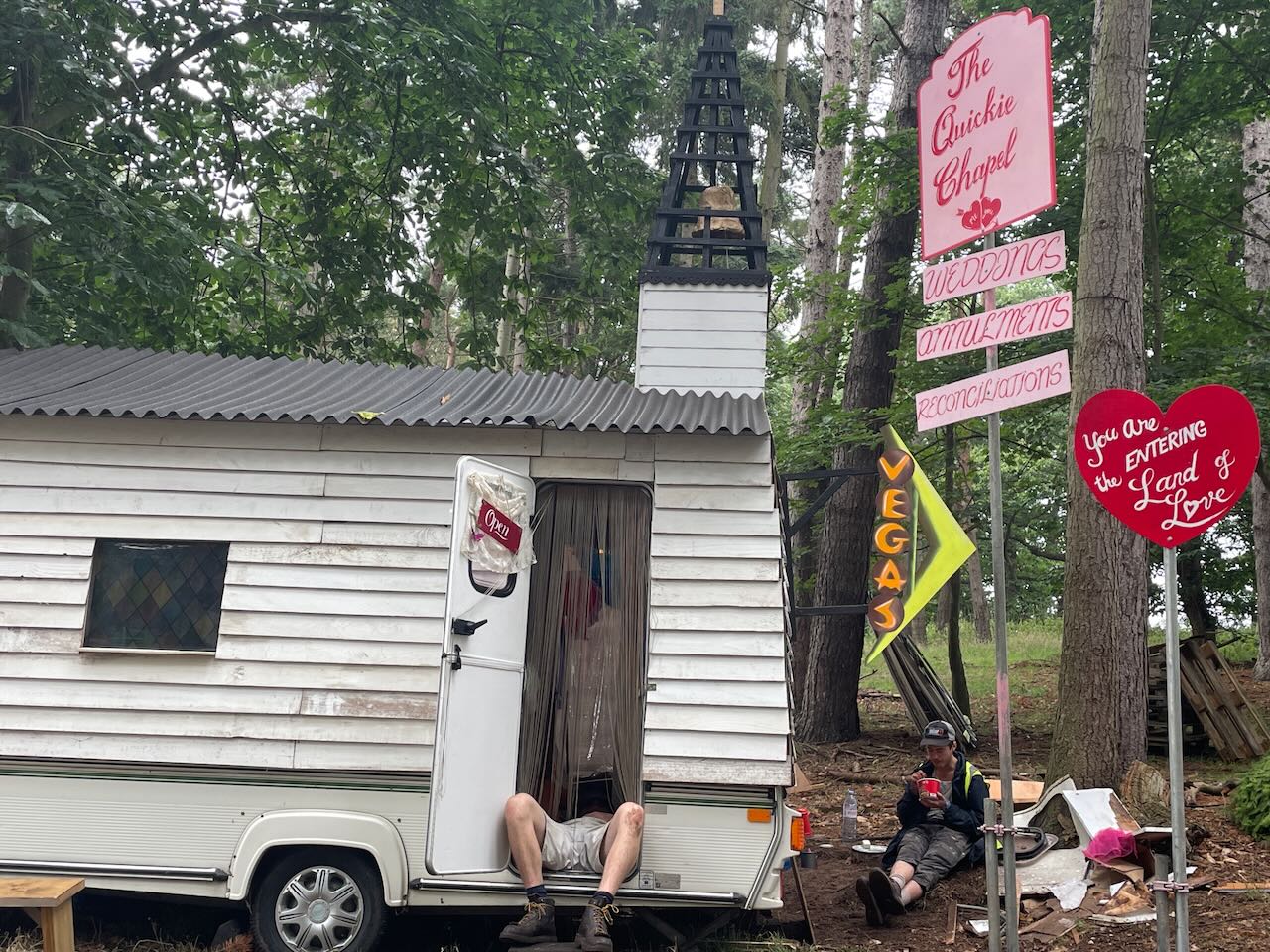
Our final adventure was a call out to Latitute site at Henham Park, where George helped me deliver some much needed supplies for the builders of the Trailer Park site. Here is one of the new trailers this year, a Trailer church, were you can get married, divorced or annulled.
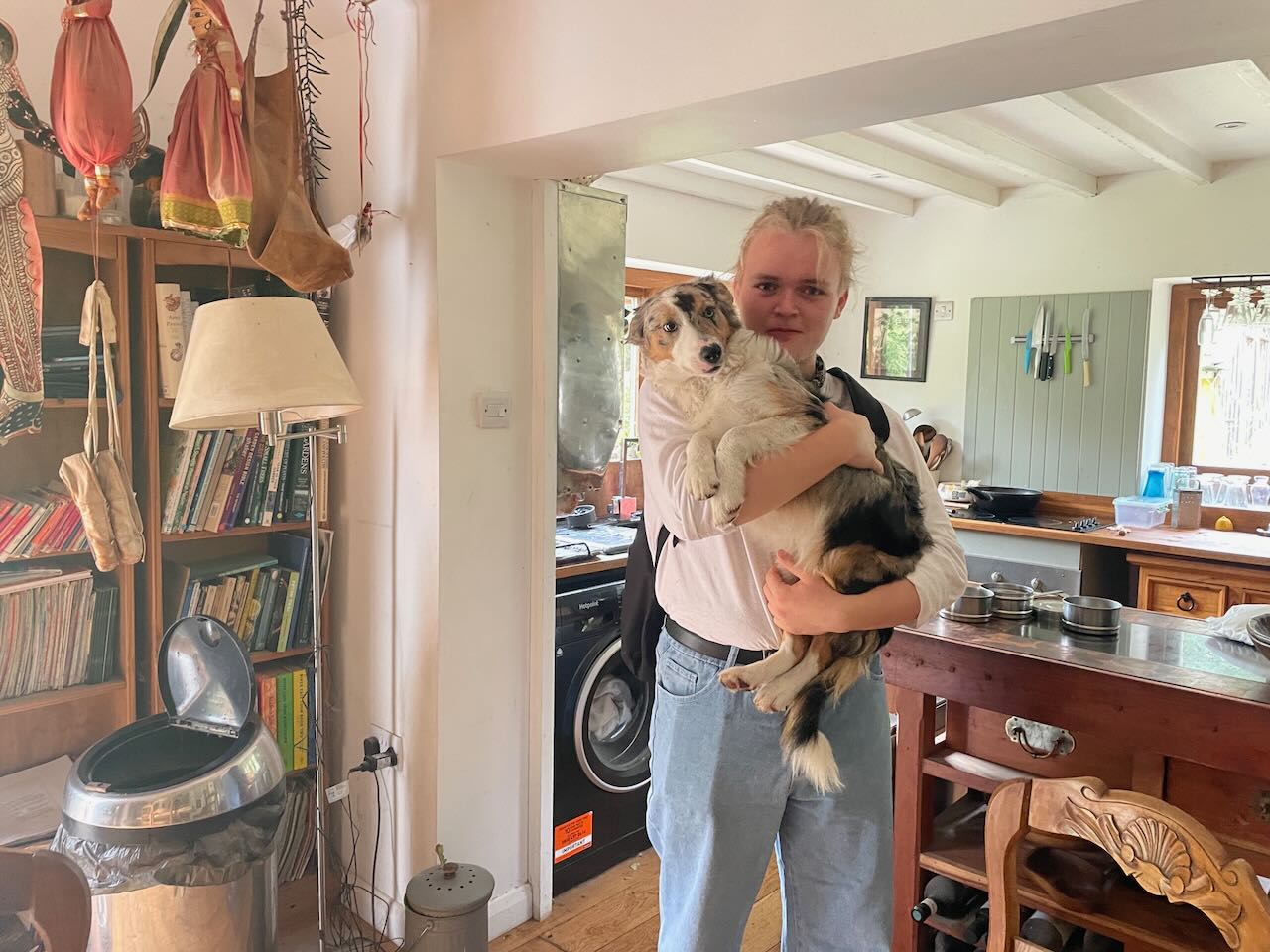
Finally, George with Yarrow – George is a natural with dogs