July 2025.
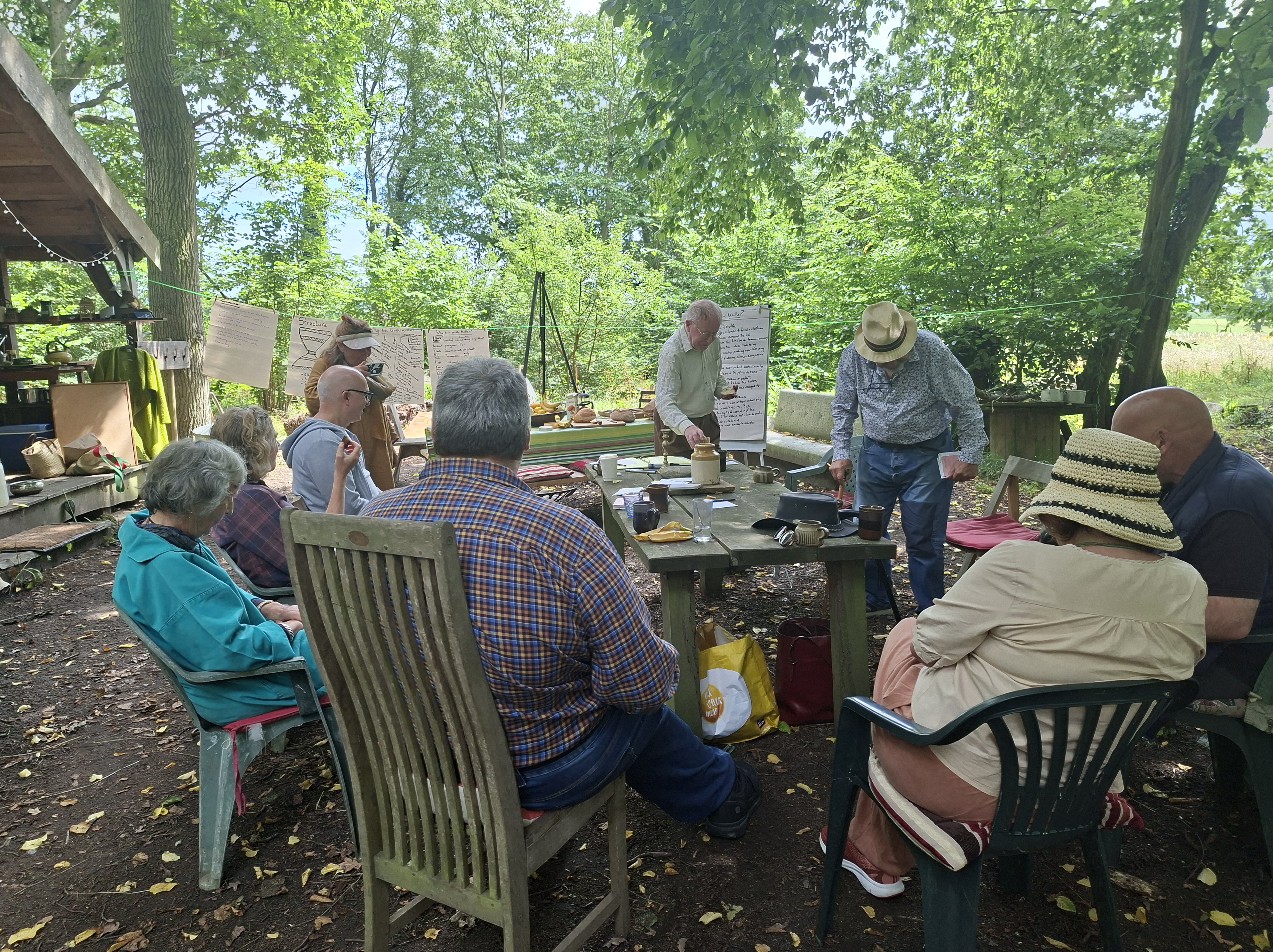
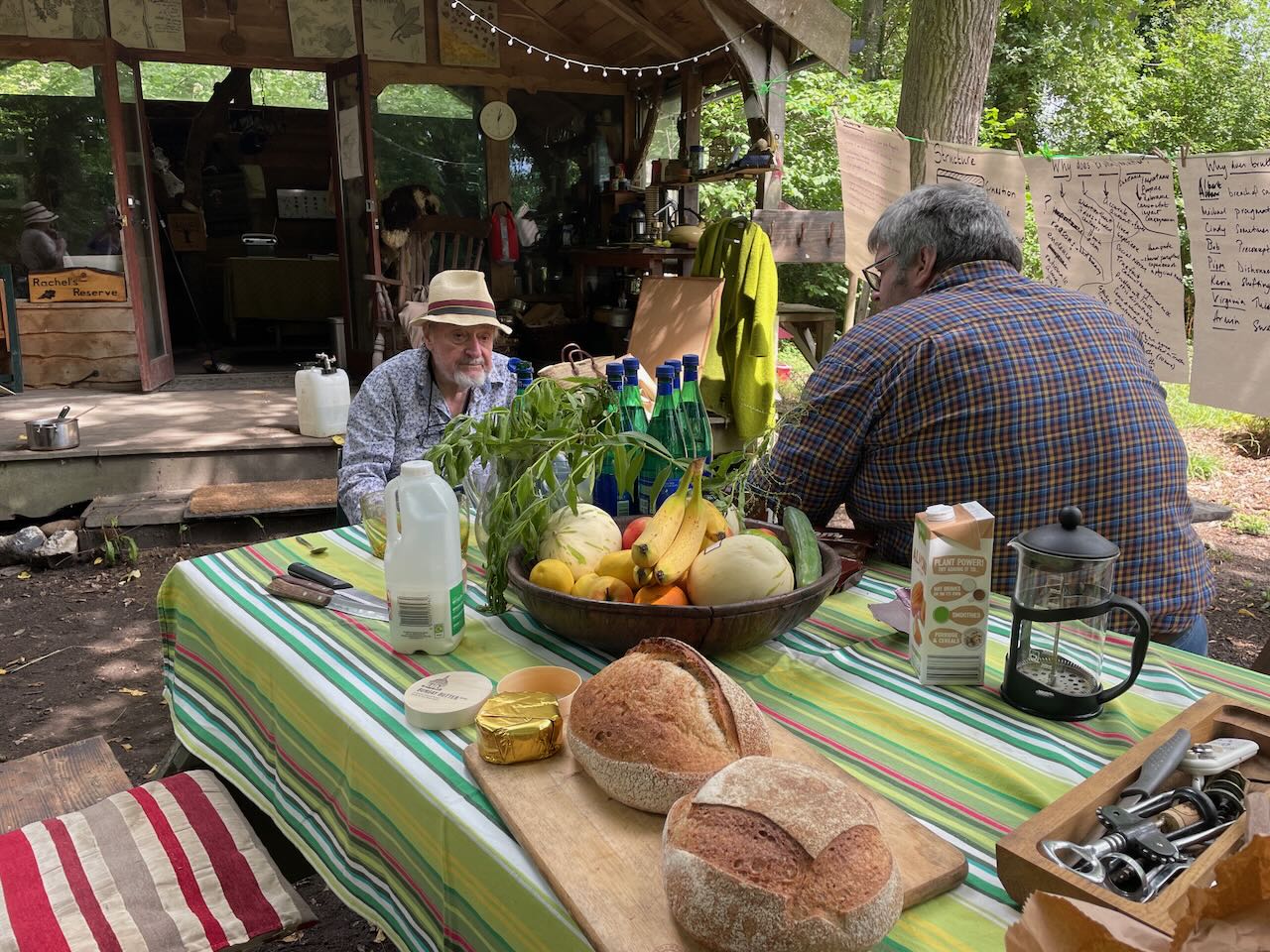
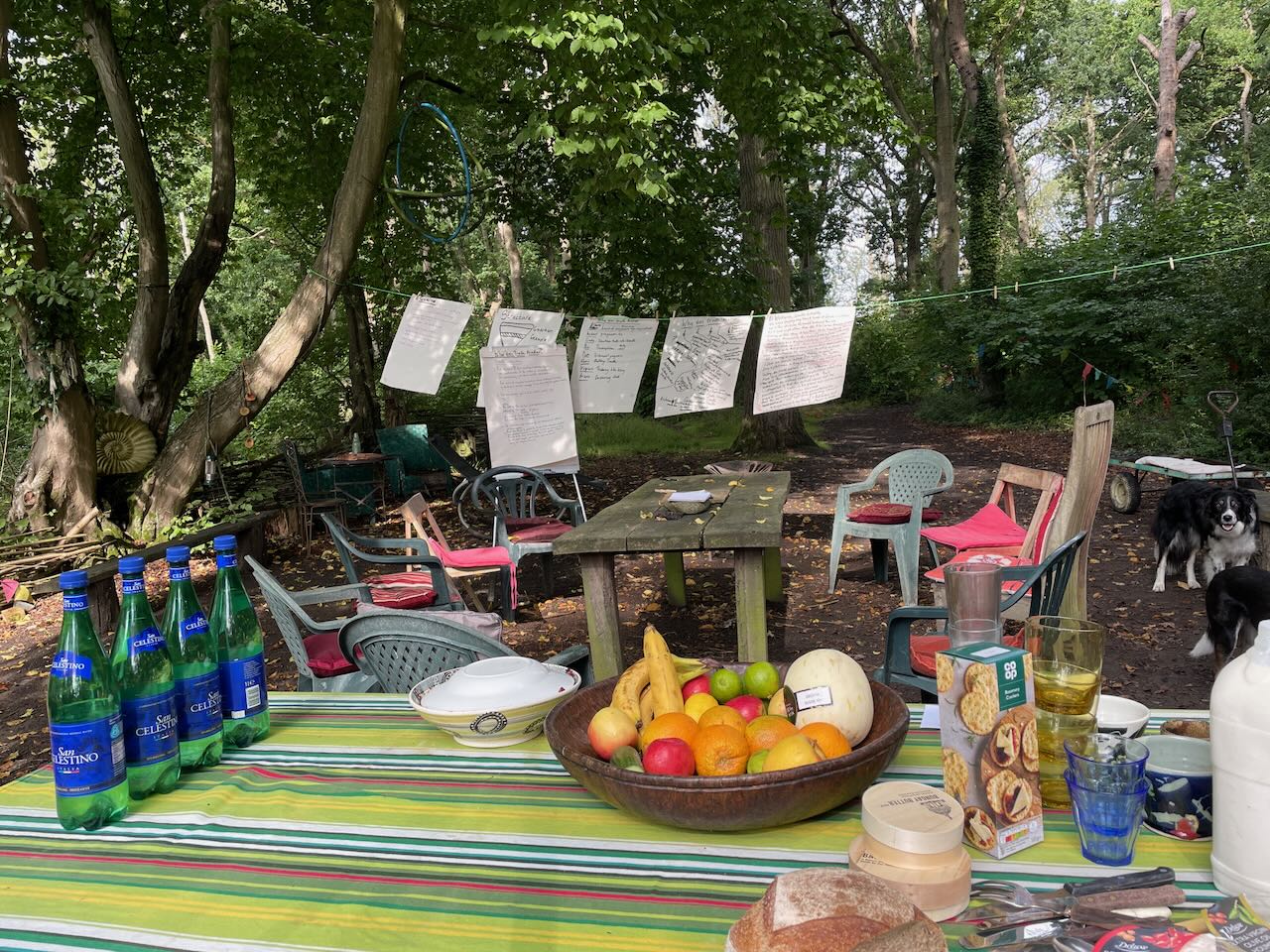
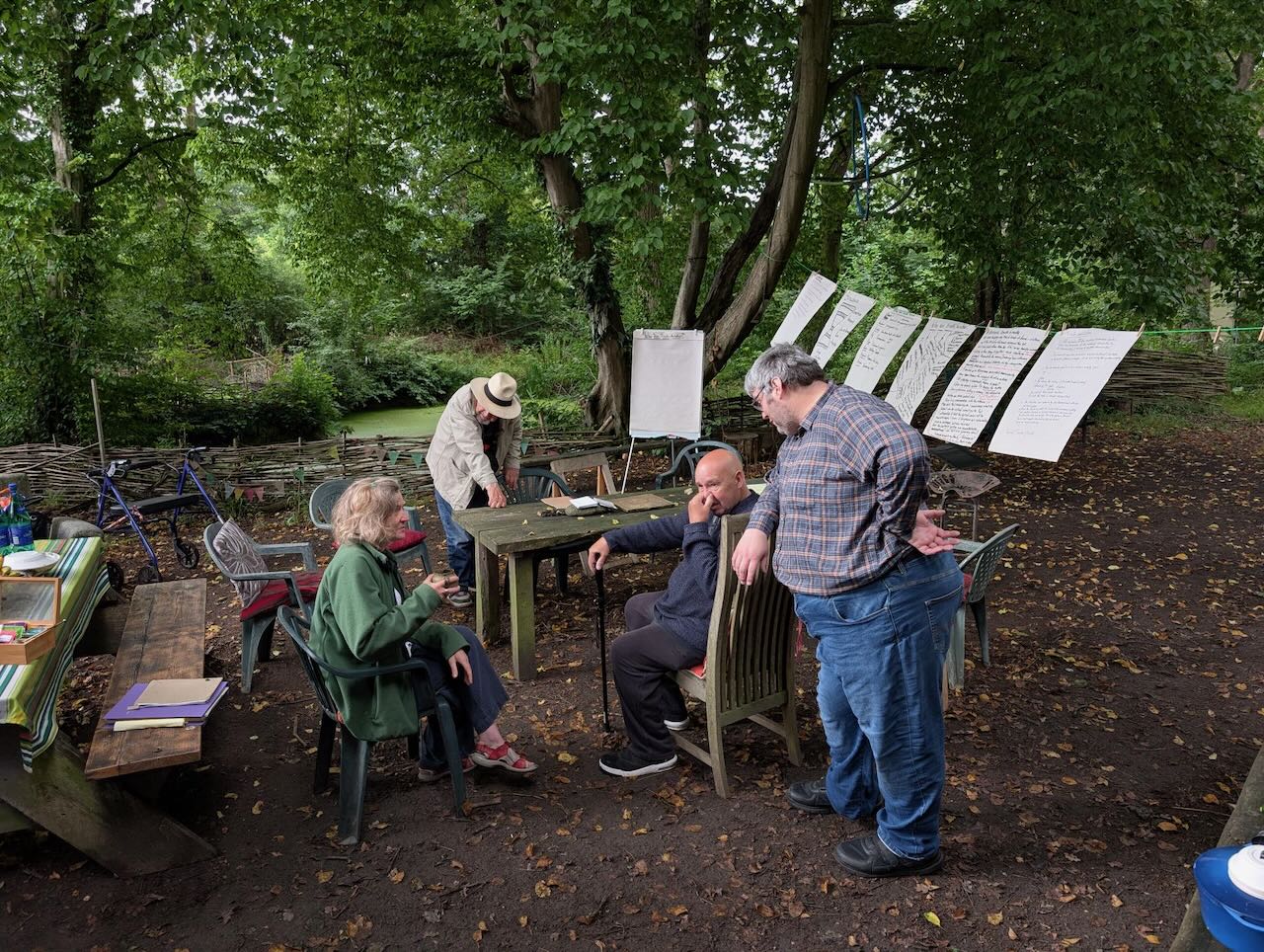
With 10 participants from Liverpool, London, Halesworth, Gorleston, Wenhaston, Fressingfield, we spent 1.5 days in Kaliwood, in dialogue with the question Why does truth matter. Sunshine and rain came and went, we sat under the hornbeams, enjoyed some fitting Chi Gung given to us by Cindy at the start of each session; in the rain we sort shelter in the cosy cabin.
The principles and a bit of history of Socratic dialogue was outlined:
On one level, a Socratic Dialogue is a collaborative attempt to find the answer to a fundamental question. It is a form of co-operative philosophical enquiry. On another level it is entirely individual, rooted in concrete personal experience, and contributing to the formation of one’s own personal philosophy.
It is accessible to all, and no prior philosophical training is needed to participate.The process involves clarifying thoughts and ideas so that members of the group can understand each other exactly. The dialogue aims at consensus, which is neither easy nor imperative. It is important we all understand, so that we work towards this hive understanding.
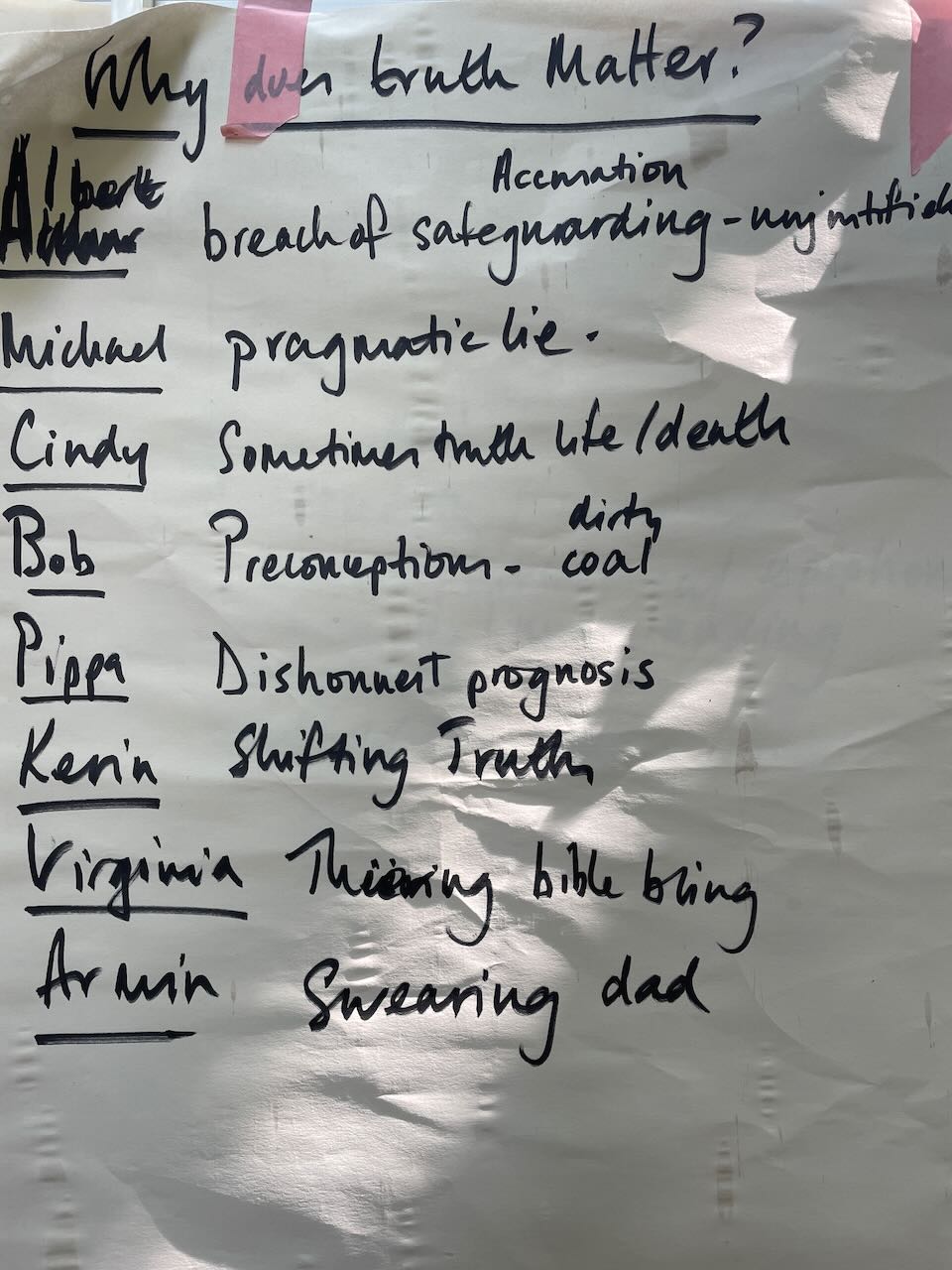
We first collected our examples from our lives, of when truth mattered to us. These included being falsely accused of breaching safeguarding, being unjustly accused after a meeting, a consultant misleading a diagnosis, a nurse lying about a potential death risk, a deliberate untruth which served a purpose, an unexpected truth in front of a child, a forced confession with truth. All had consequences.
We choose B’s example, which in a way was the most obtuse, but the narrative attracted: based 40 years ago (1984) when he supported the striking miners both in London and up at the Orgreave mass picket, where he witnessed the police brutality. After a dramatic event in which he was surprised at his own action (taking the batton from a policeman hitting a woman) , after a question/conversation with Grace in the safety of the NUM offices immediately afterwards, he had a moment of epiphany, in which the truths he believed were true were questioned and found wanting.
Unpicking the words in the question, already raised the complexities of the word truth, and we had among us different schools (generations) and interpretations, however we parked these differences, acknowledging them, to proceed with the analysis of the example to find the moments of truth within it.
We followed a ‘truth evolution’, path. This led us to question whether the events were based on a belief or a value system rather than a truth. Seeking to find the difference, we settled on these core principles…..
Why did truth matter to B in this example
Why truth mattered to Bob was to form his identity and to guide his beliefs which governed his actions.
The reason truth mattered in this example was that it was the scaffold on which he structured his identity and purpose.
Because it could provide a humane and communal code of conduct by which to live an ethical and fulfilled existence, looking out for others less fortunate than himself.Because through his actions, governed by his cultural and political beliefs, he was able to reach out to communities that he thought were in need of help – before the words of a woman prompted an epiphany that resulted in a depressing loss of purpose, identity and commitment…..a lost cause!
‘Truth mattered to Bob because it shaped his understanding of the world and provided the foundation of his identity and sense of purpose. It governed and guided his actions in defending the community and rights of others.’ (K)
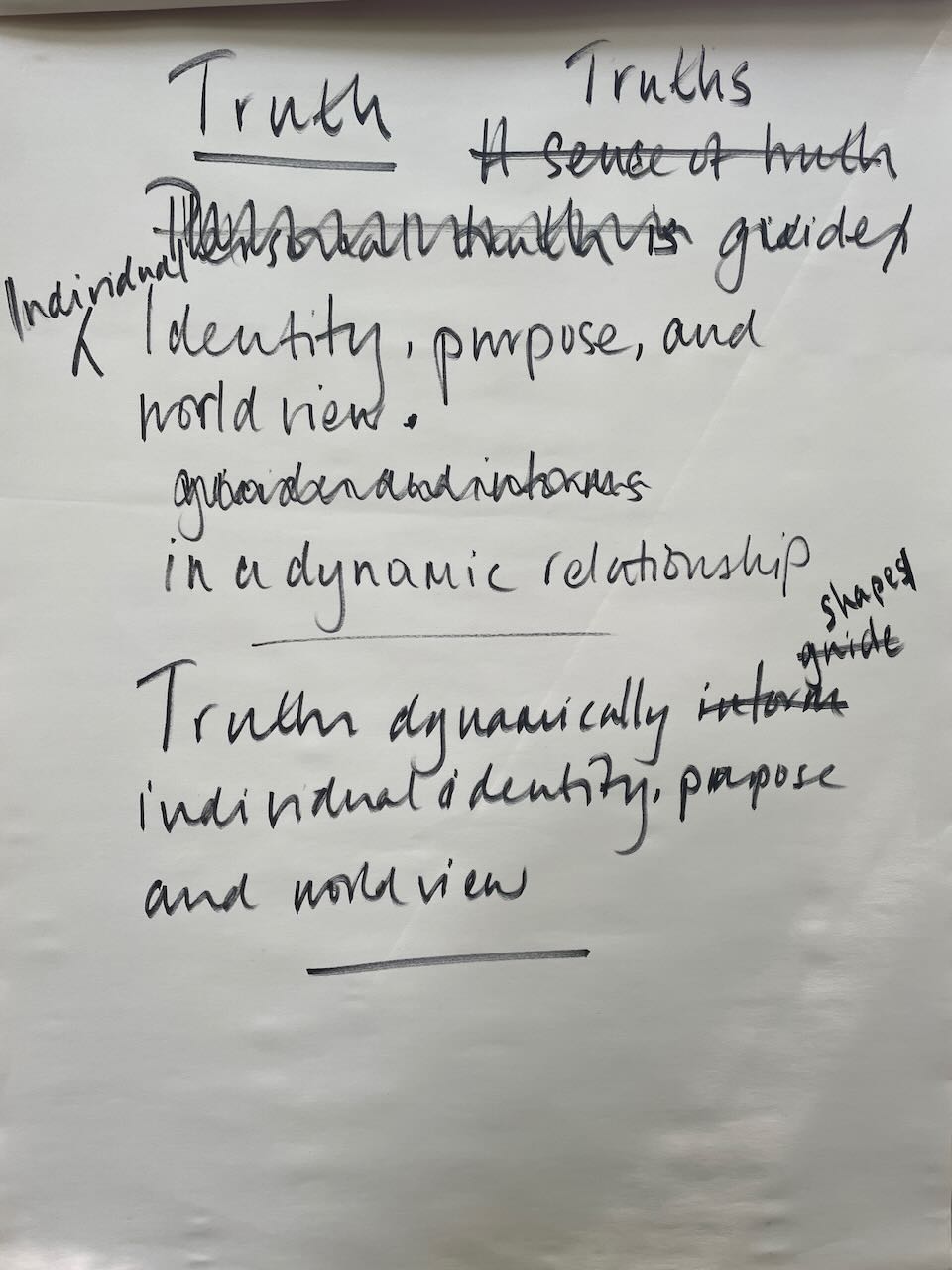
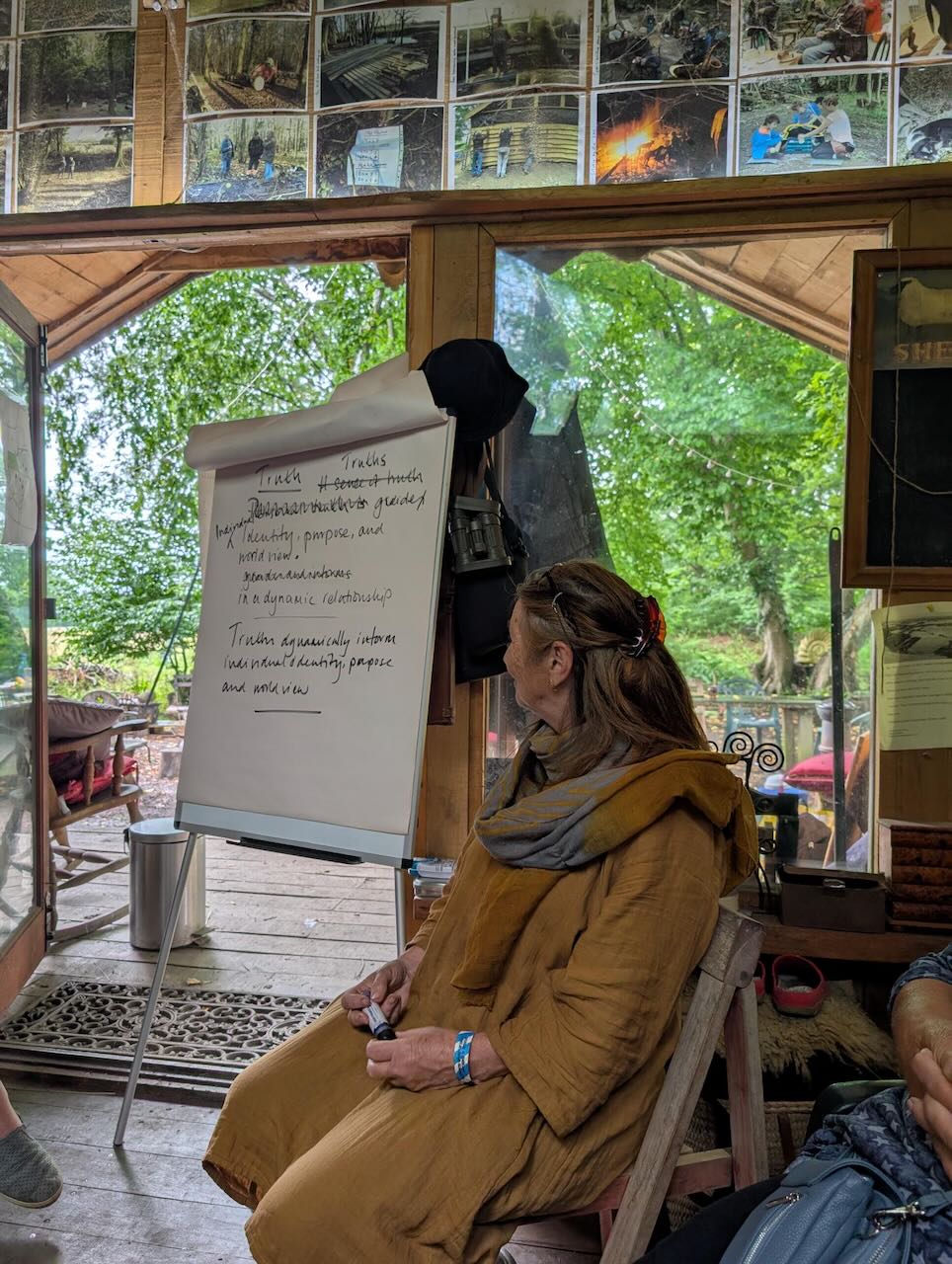
Our principle agreed upon, incorporating M’s ‘there is objective truth’ is
Why does truth matter?
Truths dynamically shape individual identity purpose and world view
Finally we related the principle to our examples.
Reflections on the day included the following observations: What I thought would be not a good example, turned out to be a good choice. I enjoyed the careful recording. It was a real dialogue with everyone contributing. It revealed the importance of teasing out of language. Amazing example. I expected more analysis of truth, and at times found it more like a therapy session. Need to differentiate between emotions, values and beliefs. B: It bought up my feelings at the time, and I reflect on my self image. You could teach the gestapo!
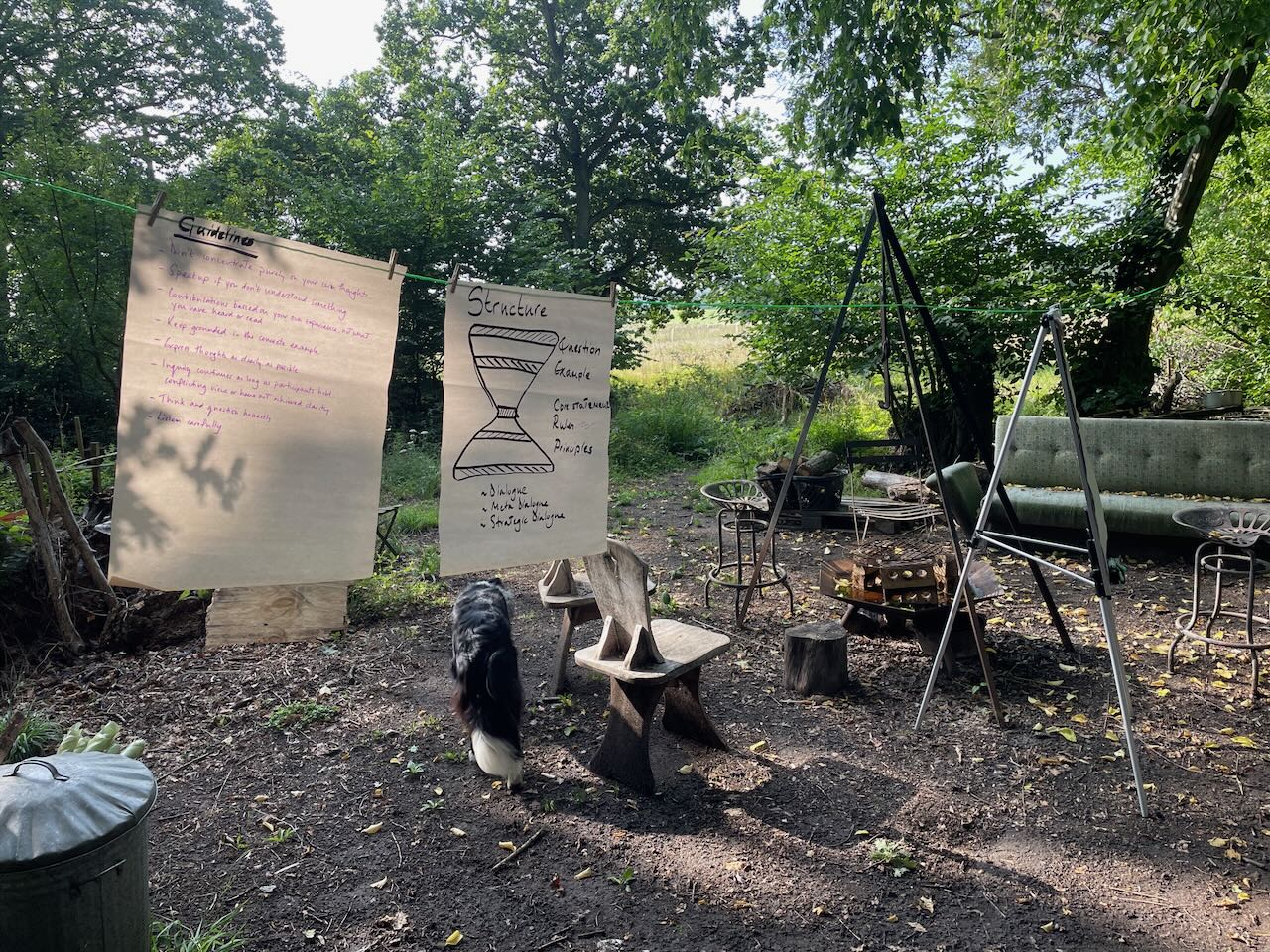
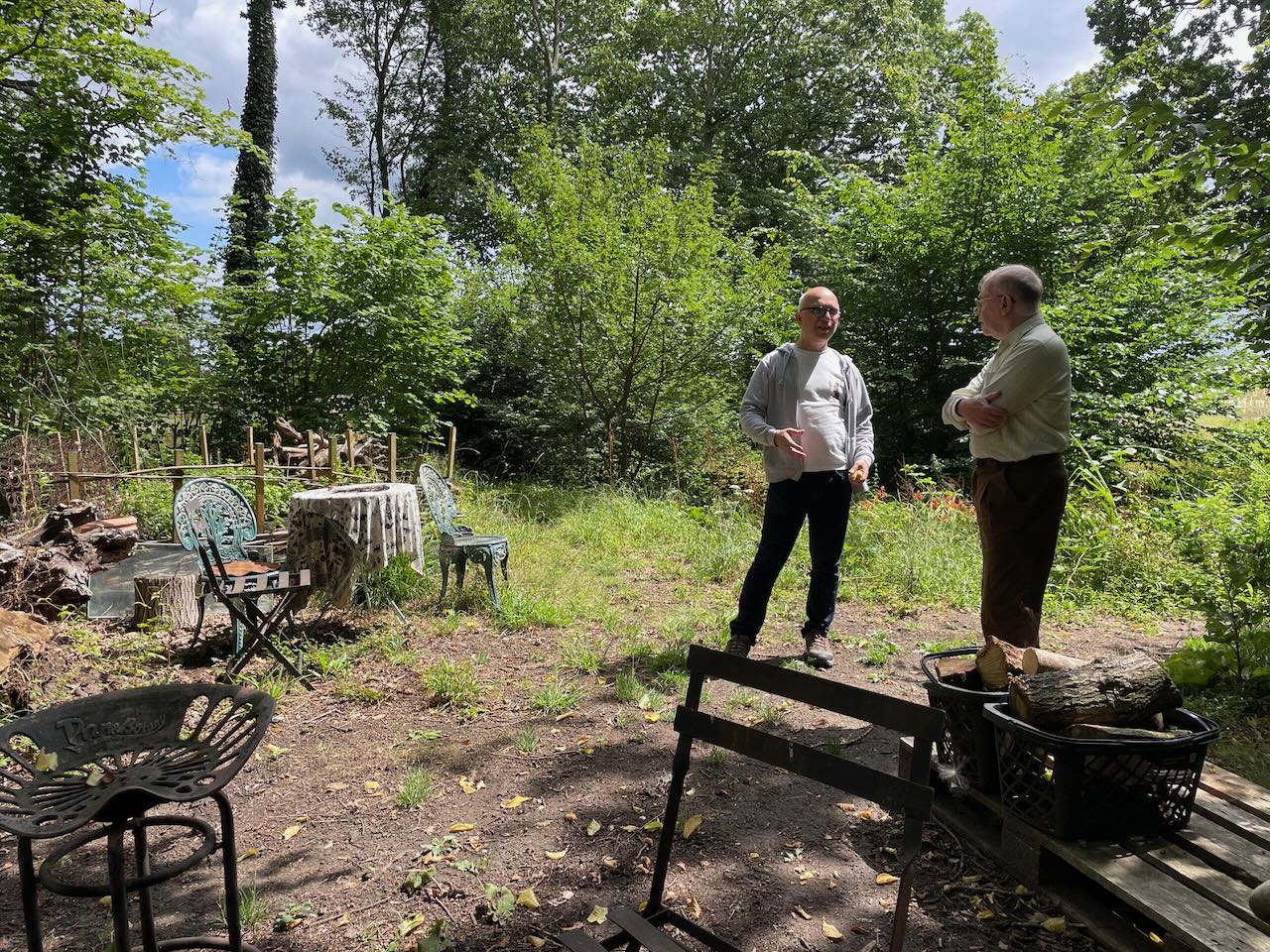
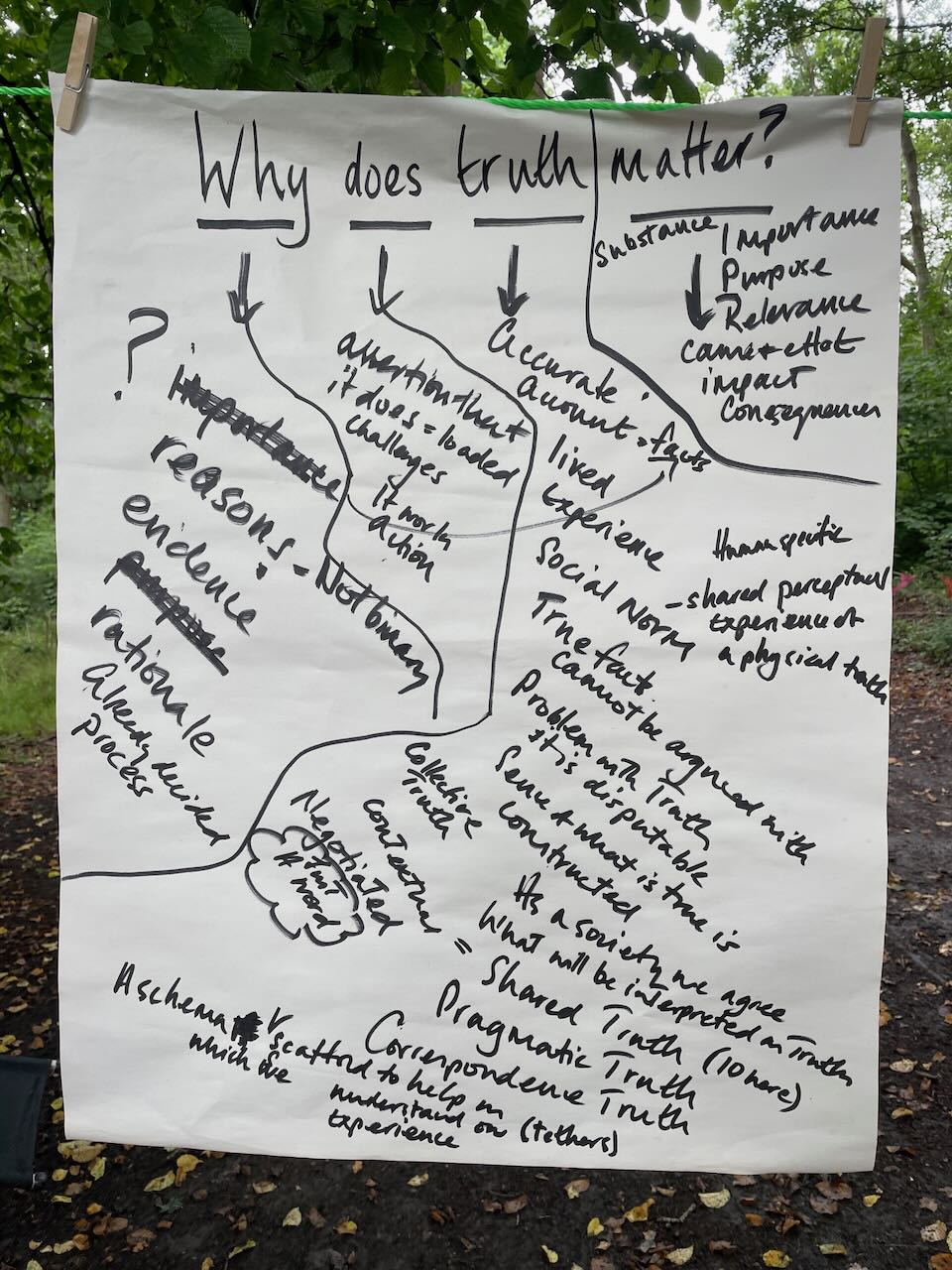
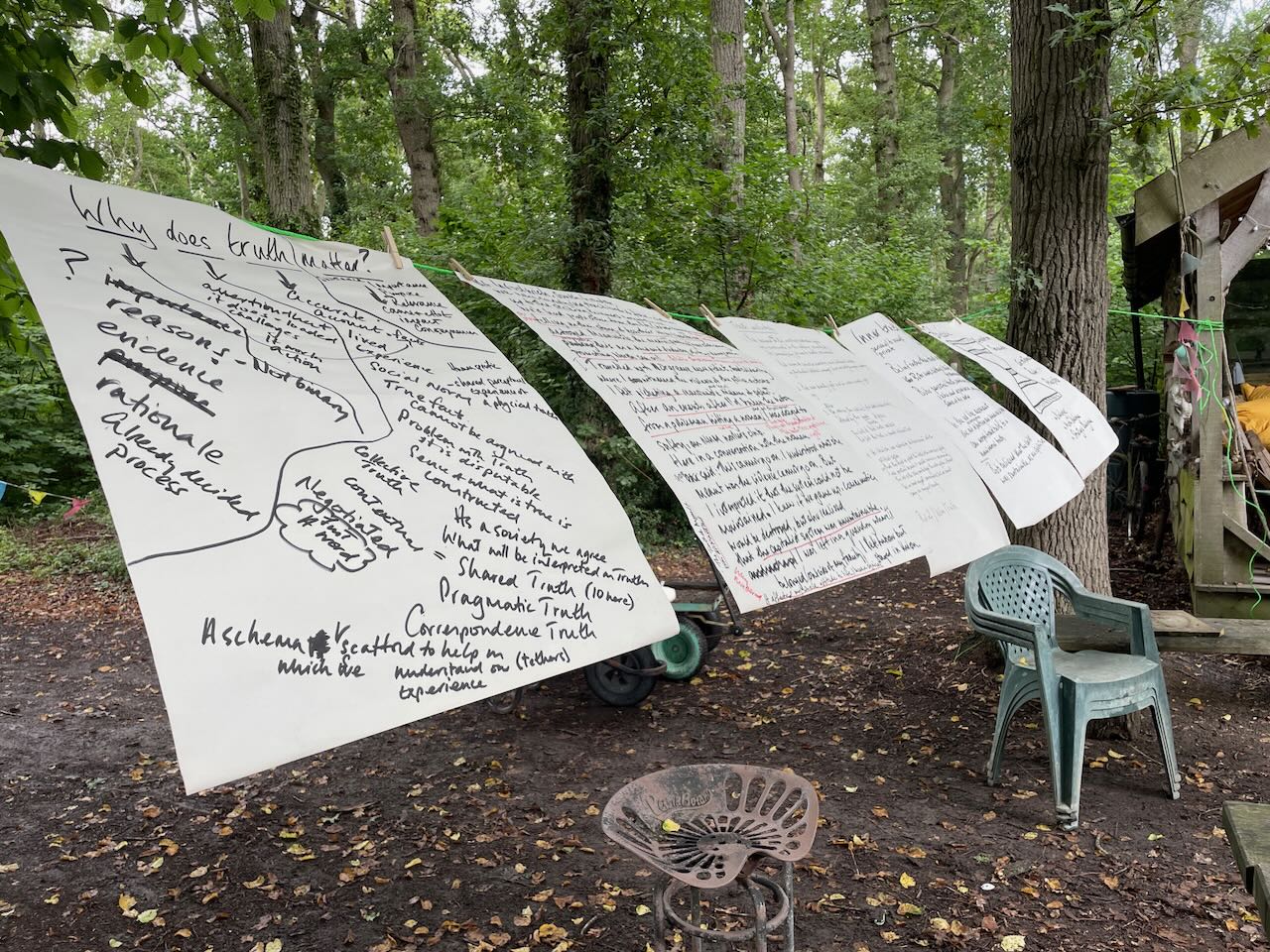
.
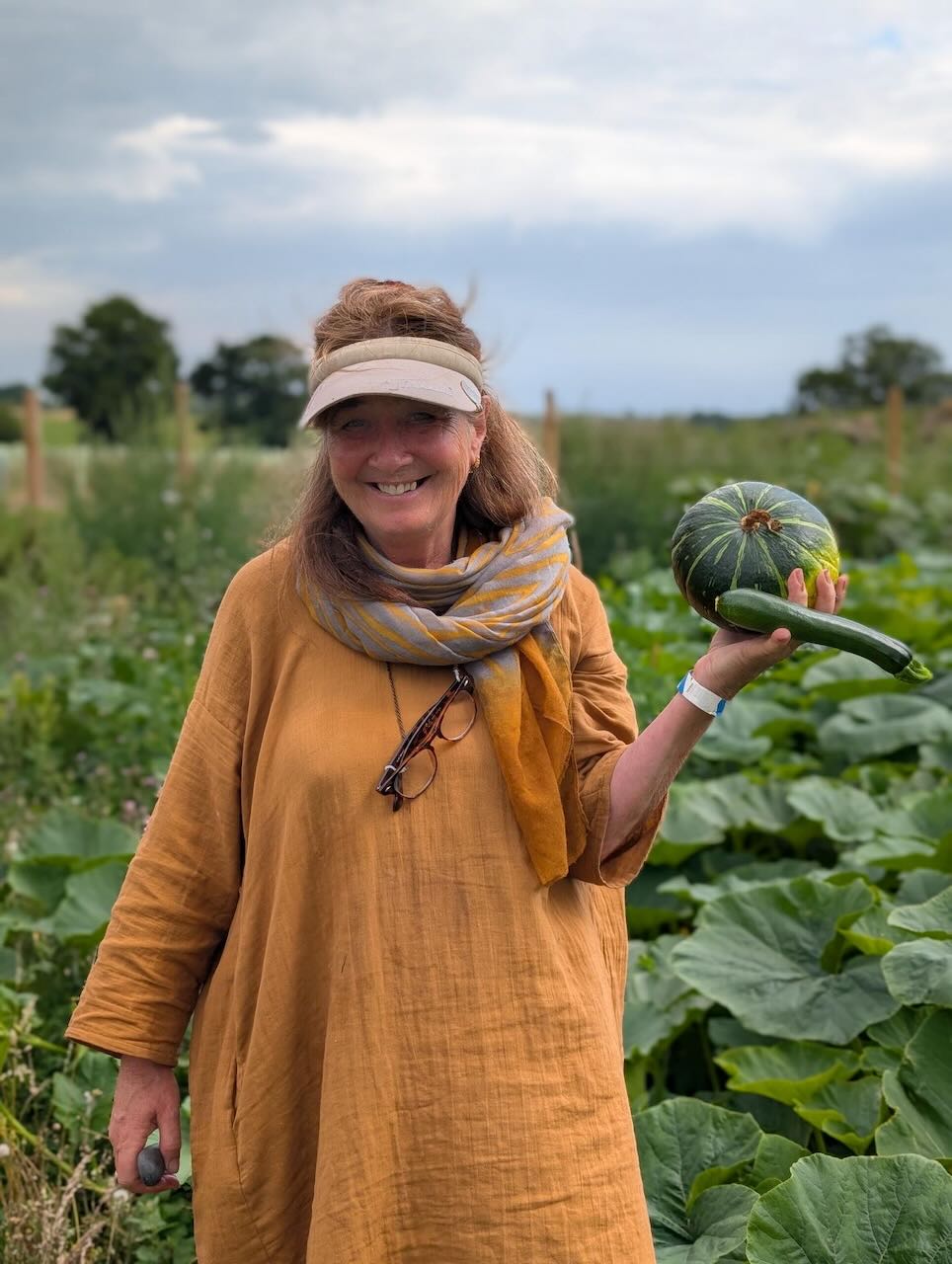
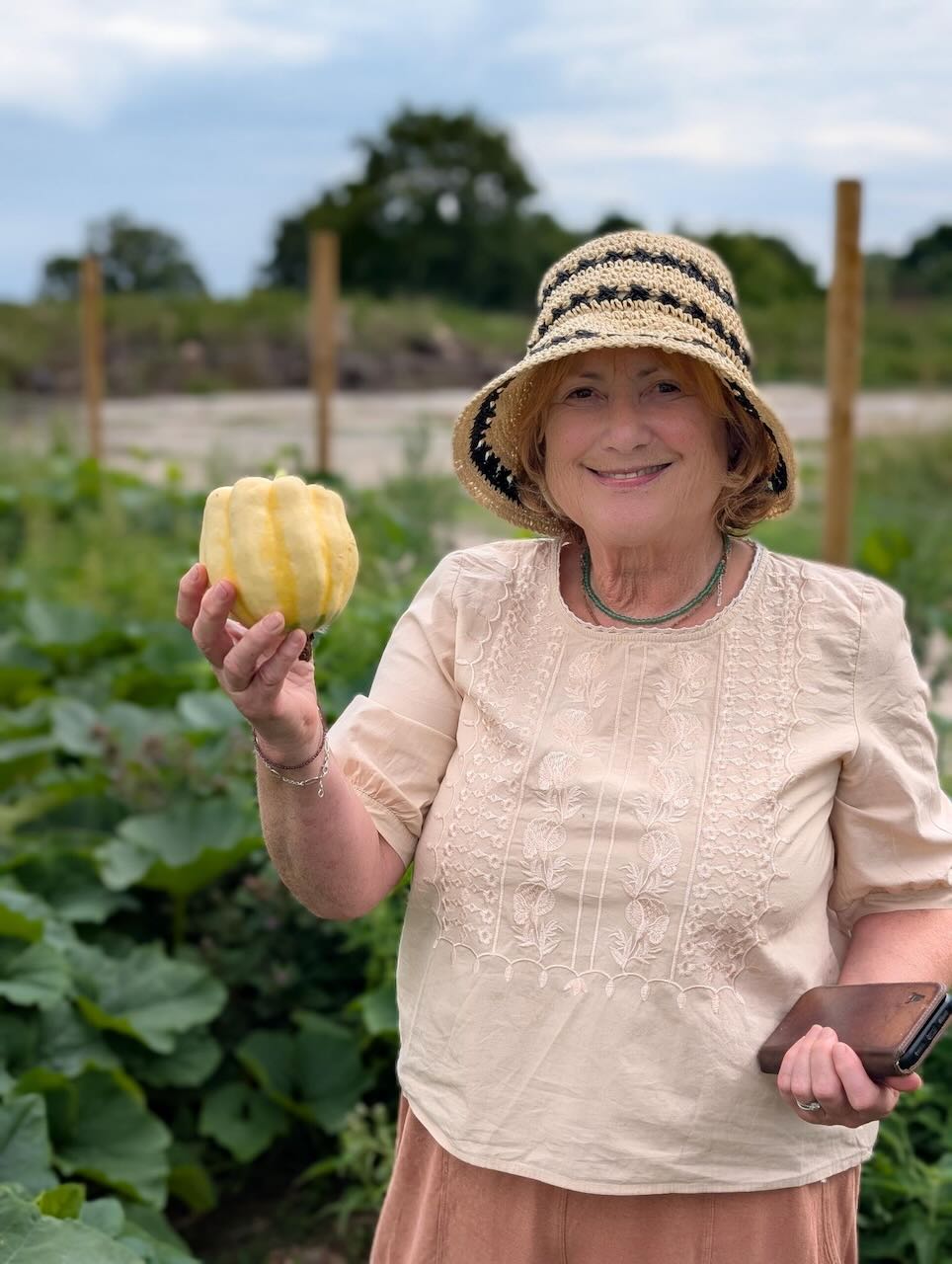
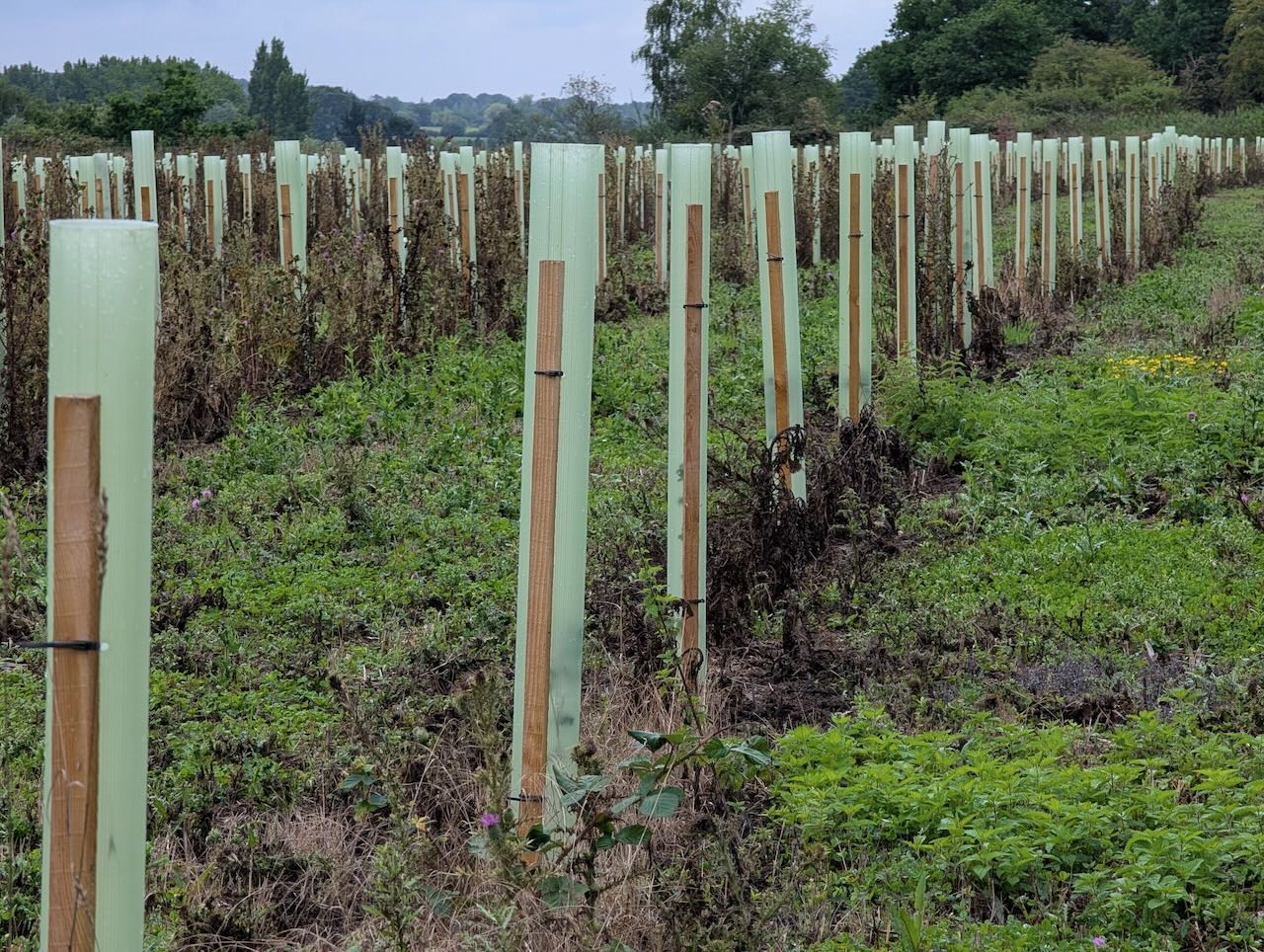
Thanks Armin for these photographs. During a break we walked through the recently planted field (17 acres) to down to the community garden, where we harvested, somewhat too early we gathered later from Christina, our first squash, grown without any additional water this drought year. (story of the land here)
.
.
.
.
.
.


