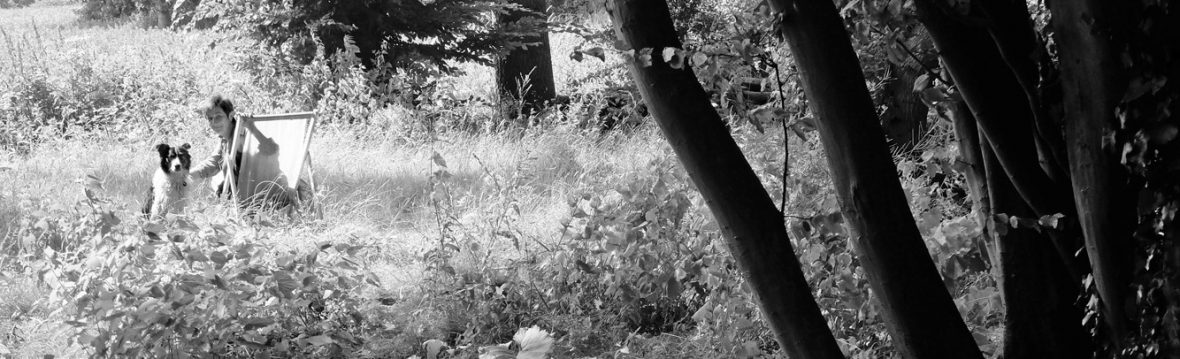
Connected through John Esling, though the East Anglian Coppice Network, I came to visit Jonathan Cousins, at Hulver Tree Farm, Laxfield.
The family came to the farm in the 1988, wanting to buy land to sustain their livelihoods of thatching. Jonathan’s father, coming out of the army, re-trained in thatching under the master thatcher Frank Ridges. Hulver Farm was a typical Suffolk farm of 35 acres, which they put to use, growing hazel and straw for thatching as well as some sheep/cows/goats to rotate, fertilise and sustain themselves. Jonathan spoke of the plight of the thatcher through his history as follows: Whatever you do after thatching is easy. Thatching is hard enduring work. The average thatcher since the revival of thatching in the 90’s is a shark, in contrast to the revival in the 70’s which revered the old masters.
Here’s the thing:
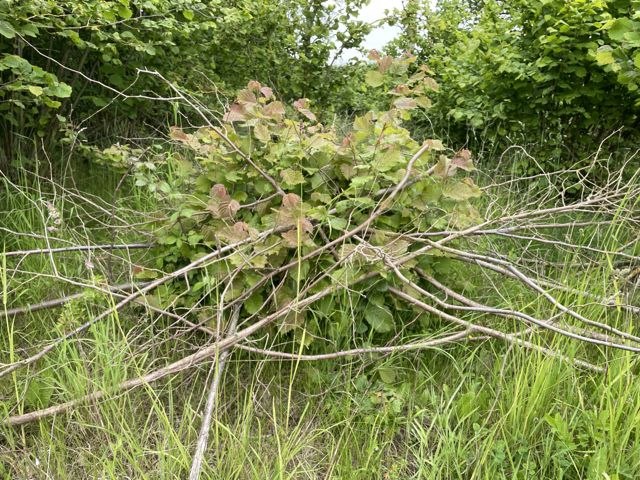
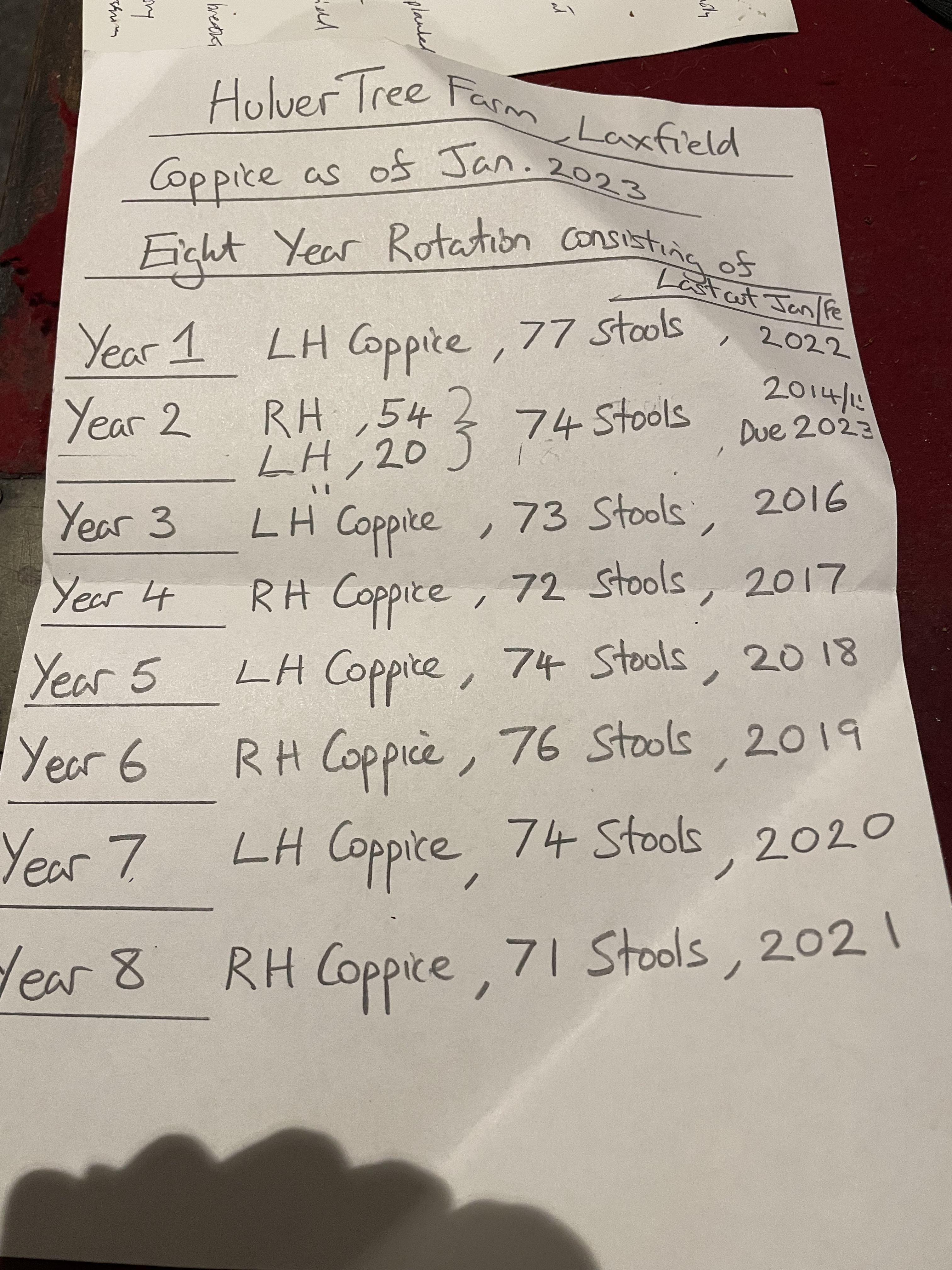
An acre of hazel coppice, originally planted to service the thatching work of the family, has been in 8 year rotation since planted (date unknown – 1990’s? ). Due to failing health of Jonathan, he can no longer keep up the rotation and is now 2 years behind. The stools are in excellent order with strait rods of 10 feet or more, about 10 to a stool. The blocks of 2014/15 and 2016 total 74+73 stools. Could we, the East Anglian Coppice Network, organise a flash mob to coppice? This would entail:
- January/February 2024
- 150 stools with 10 rods per stool = 1500 rods
- coppice method must not be to the ground but each cut on slant creating pyramid shape
- All stools must be covered with the brush. This has proved to be essential and effective at preventing deer damage.
- All rods to be stacked in bundles of relative size for utility.
Whoever coppices can take the rods. Hulver Farm needs some income from it.


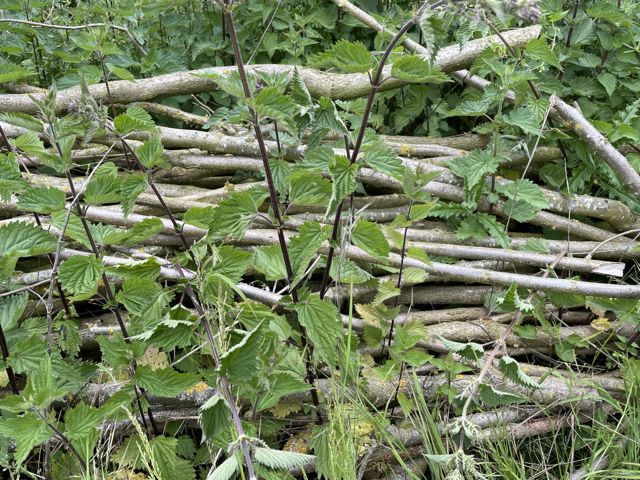
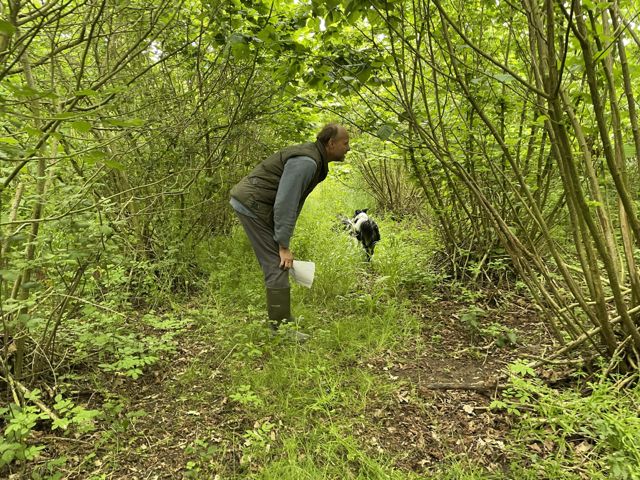
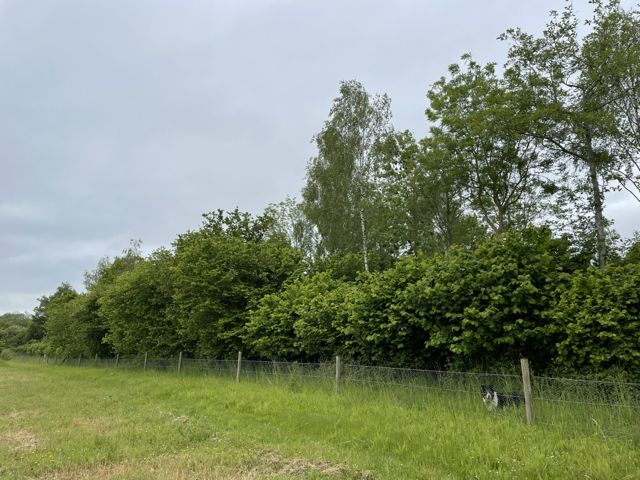
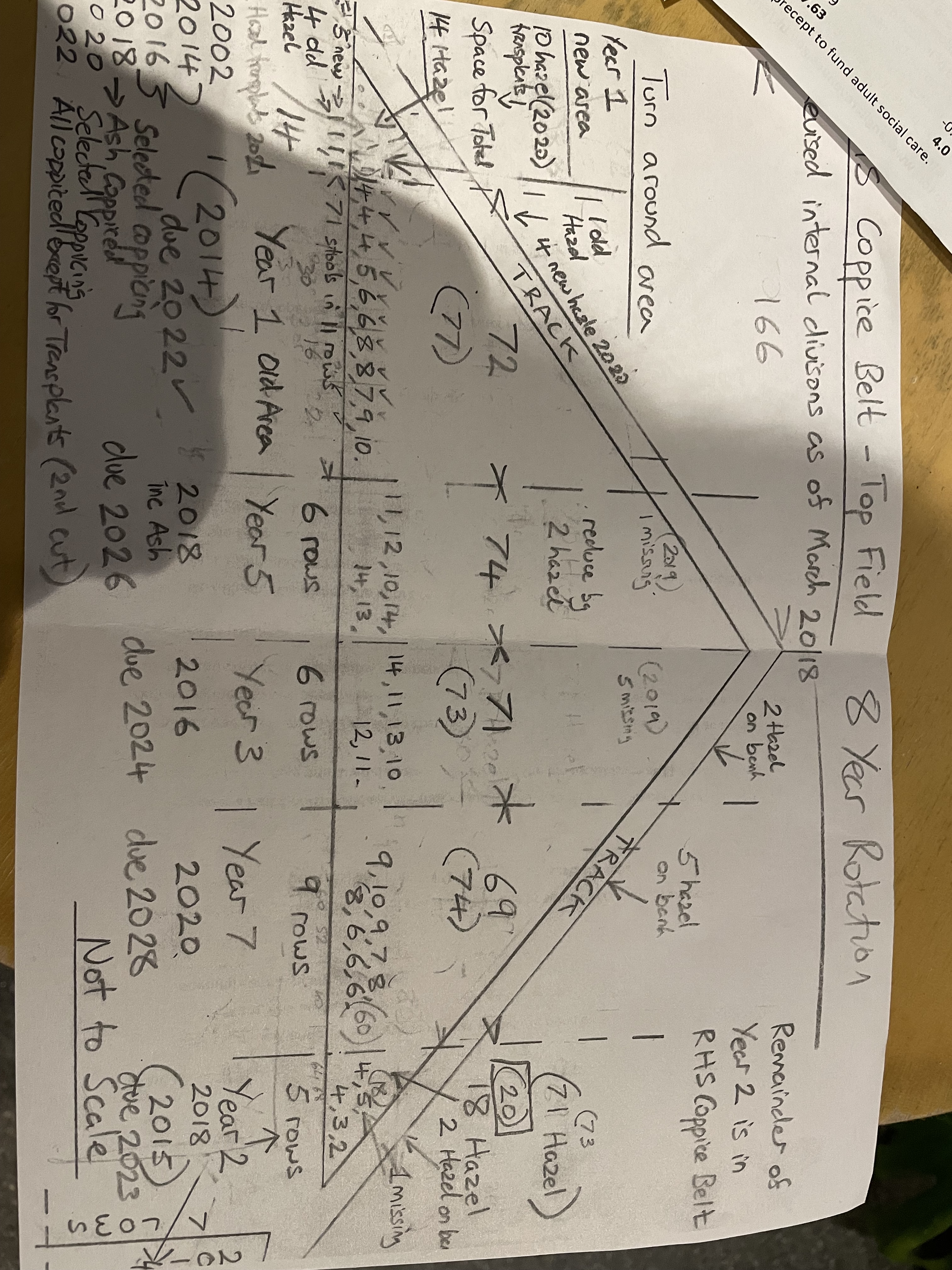
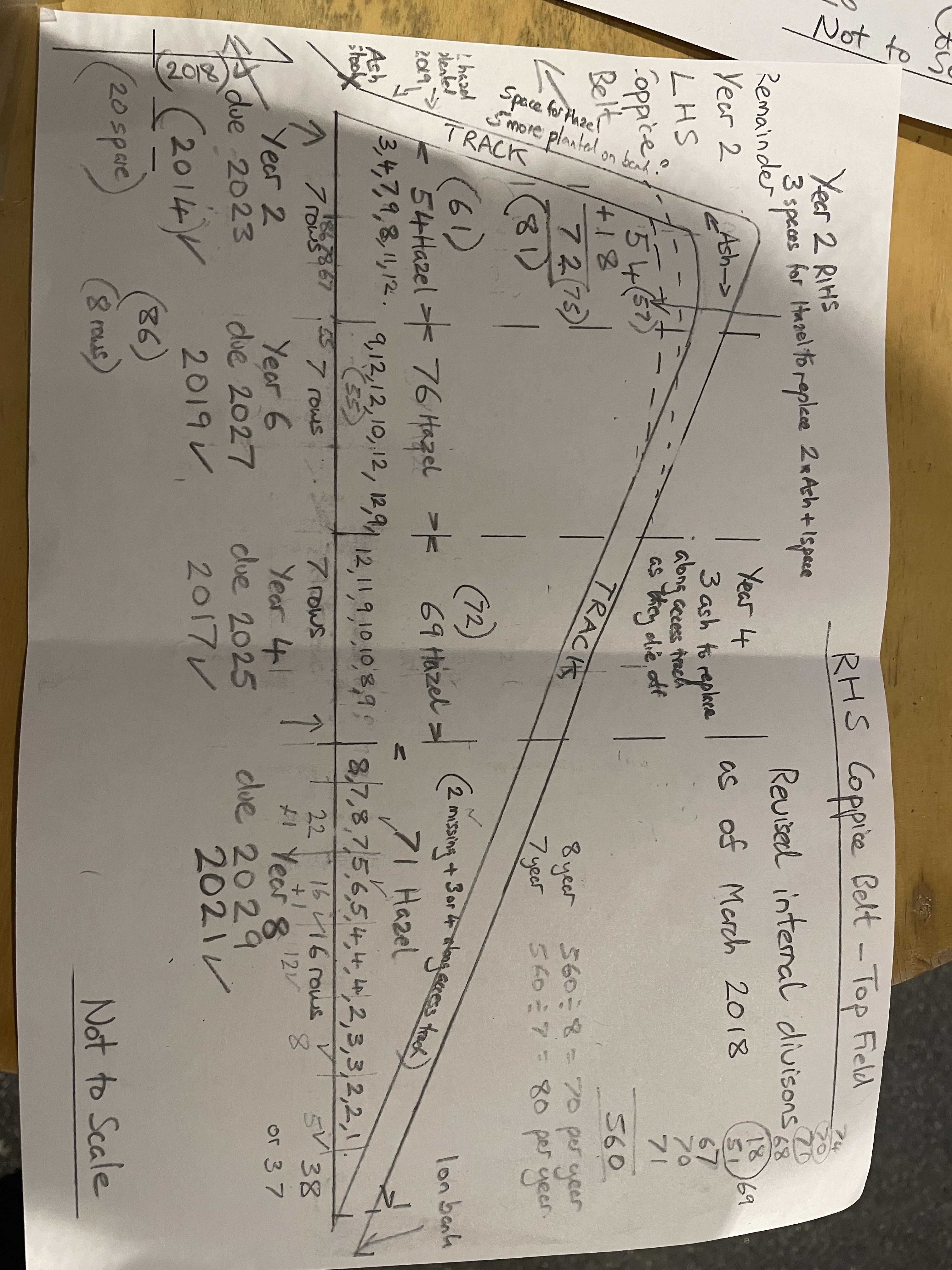
Below are Jonathan’s careful accurate working out of his hazel rotation. As you see the field is made up of 2 triangles of coppice. The plans are clear and self explaniory (click on the image to enlarge)
He did find an outlet for firewood last year but the camp site now buys in from someone who delivers, and the firewood stacked last year is now habitat. Some of the hazel may be too large for rods (beanpoles) and only useful for firewood. As for Thatching, I gather the market is currently from Poland, who ship already prepared thatching Spars, Liggers and Ledgers.
By extraordinary co-incidence we spoke as much about the Kellett family as we did thatching and coppicing. His mother was a Kellett, from the Newcastle branch.
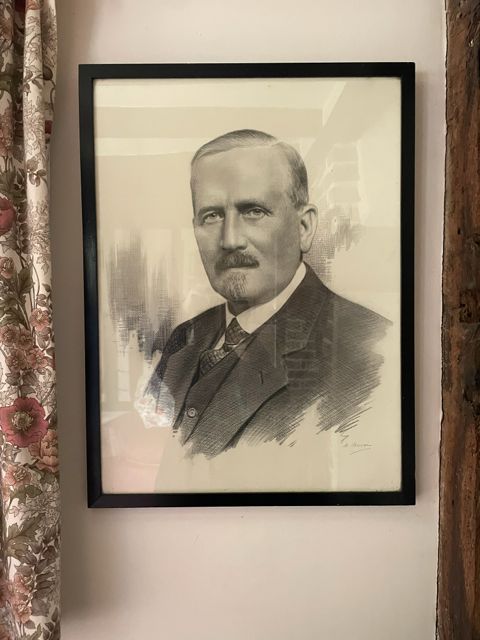
‘So you’re a Kellett, his father said. I’ve lived with this family. Kelletts are notoriously eccentric and difficult.’ Turns out there are a few simularities. His mother had 4 brothers (like my fathers family), and the portait of Mathew Kellett bore a strong resemblance I found to Edward Marsh-Kellett.
Ronald Gustav Kellett, flying ace here. He must have known Richard Kellett, also a flying ace, so are they related?
He knows land and wood. Ideally he said, there should be no more than 6 oaks to an acre.


